
High-Efficiency Roller Mill for Superfine Powder up to 2500 Mesh
If you’re dealing with inconsistent powder fineness or energy inefficiencies in your non-metallic mineral processing, mastering the right grinding technology is a game-changer. Enter the ring roller mill — an equipment for producing superfine powders up to 2500 mesh with precision and speed. Whether you’re aiming to optimize ceramic formulations, enhance coating quality, or boost throughput in mining operations, understanding how these mills work and their unique advantages is essential. In this post, we’ll break down the mechanics, applications, and benefits of ring roller mills — showing how Epic Powder’s innovative solutions can transform your powder processing with unmatched efficiency and control.
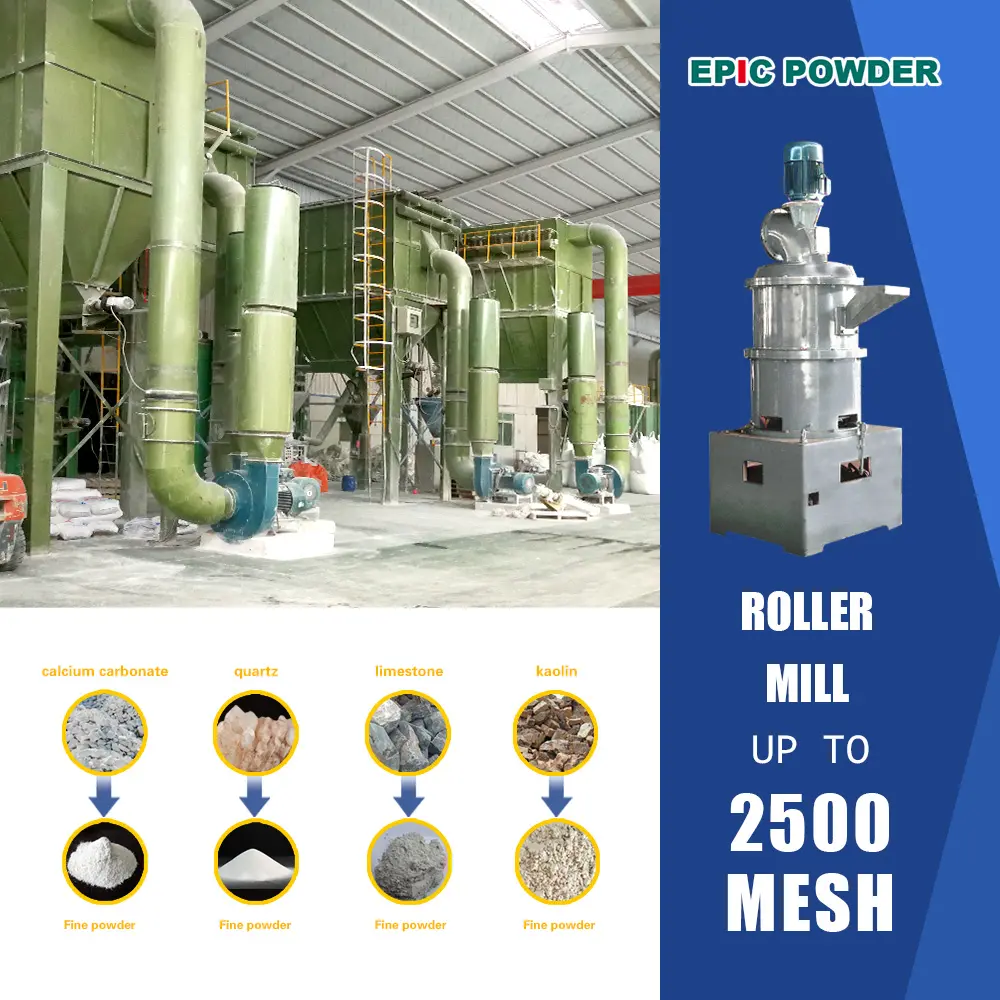
Understanding Ring Roller Mills: Core Components and Design Essentials
Ring roller mills are built to handle tough grinding tasks while delivering superfine powder with consistent quality. Let’s break down their main parts and how each contributes to their efficient performance:
Grinding ring: This is the heart of the mill—a sturdy, stationary ring that takes the brunt of high-impact pulverization. Designed to resist wear and pressure, it ensures long-lasting operation.
Rollers and spindles: Typically, there are 3 to 5 rollers mounted on a rotating star rack. These rollers are adjustable, allowing for precise control over the compression force. This uniform pressure crushes the material evenly, key for fine and consistent particle sizes.
Classifier and blower system: To achieve the exact fineness needed—often D97 ≤ 5μm—the classifier continuously monitors particle size and traps oversized particles for regrinding. The integrated blower helps maintain proper airflow, ensuring smooth separation and preventing blockages.
Housing and drive assembly: The entire mechanism is housed in a tough steel enclosure that protects components and reduces noise. Variable-speed motors drive the rollers and star rack, delivering flexibility for processing different mineral types and product specifications.
Together, these components make ring roller mills a reliable choice for superfine powder grinding, offering precise control and durability in one compact setup.
How Ring Roller Mills Work: Step-by-Step Grinding Process
Ring roller mills operate on a centrifugal grinding principle, combining mechanical pressure and airflow to deliver superfine powder. The process begins with a screw feeder that steadily pushes raw material into the grinding chamber, where airflow helps distribute the particles evenly.
First, the mill handles coarse crushing, reducing the feed size from 10-20mm down to smaller granules. Then, in the fine pulverization stage, a built-in classifier separates larger particles, sending them back for re-grinding. This ensures the final product reaches an ultrafine fineness, typically ranging from 325 mesh up to 2500 mesh, with a D97 fineness of ≤5μm.
After grinding, the powder is collected through a cyclone separator, while exhaust filters capture dust and maintain emissions control. This entire sequence offers impressive energy efficiency, using 30-50% less power than traditional jet mills, making it an economical choice for industrial ultrafine milling.
For a deeper dive into optimizing ultrafine calcium carbonate grinding with ring roller mills, check out this detailed guide on consistent ultra-fine powder production.
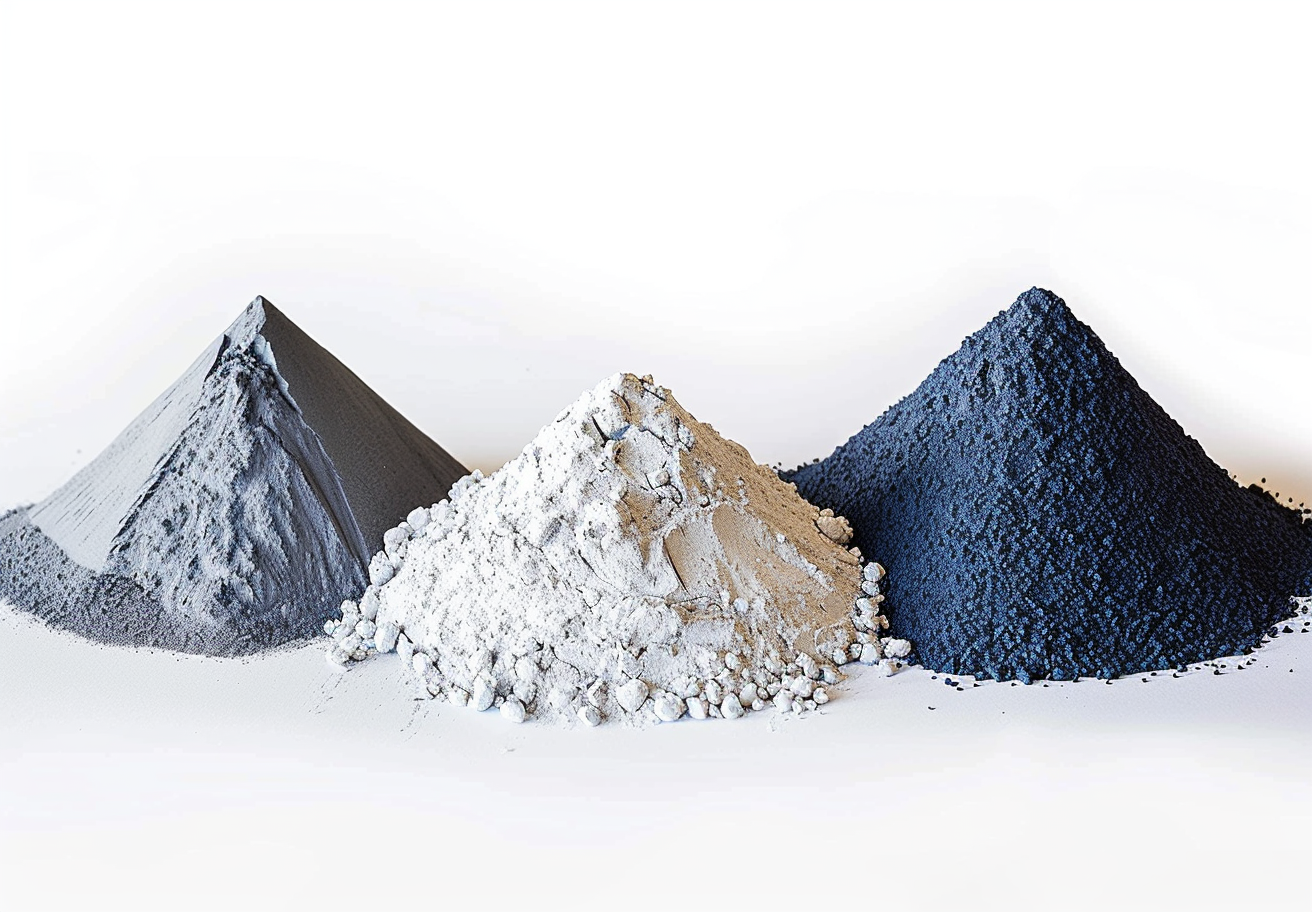
Applications in the Non-Metallic Mineral Industry: Real-World Impact
Ring roller mills play a crucial role in the non-metallic mineral sector by delivering superfine powder grinding with a fineness of D97≤5μm. This high-precision milling is ideal for various industries:
Ceramics and tiles benefit from superfine powders that provide glossy finishes and reduce shrinkage during firing, resulting in higher-quality products.
In paints and coatings, the mills ensure uniform particle distribution in mineral fillers, enhancing color consistency and durability.
For plastics and rubber, finely ground talc and barite improve PVC compounds, boosting strength and flexibility.
The pharmaceutical and chemical industries rely on contamination-free grinding, especially for active pharmaceutical ingredient (API) excipients, where purity and consistency are critical.
Regional demands are met through tailored dust control systems complying with strict regulations like EPA standards in the US, while supporting export growth in Asian markets.
For those interested in large-scale talc processing, our case study on a pharmaceutical-grade talc powder production line offers detailed insights into practical applications.
By addressing these diverse needs, ring roller mills prove indispensable across global non-metallic mineral processing operations.
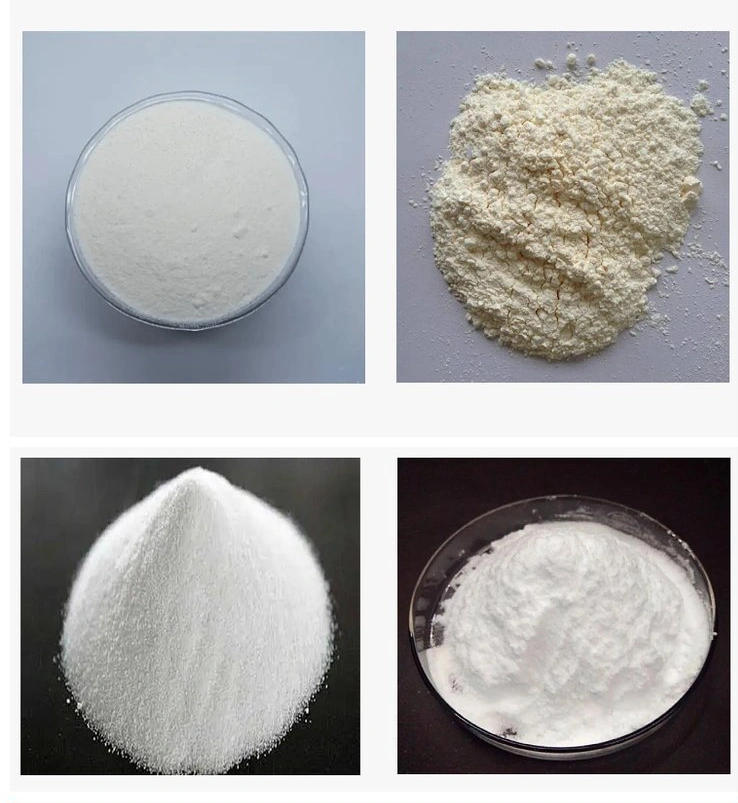
The Unmatched Advantages of Ring Roller Mills: Why Choose Epic Powder
Epic Powder’s ring roller mills stand out for their impressive versatility, energy efficiency, and durability. Here’s why they are a smart choice for processing over 50 types of minerals in one simple pass—from coarse to superfine powders with D97≤5μm fineness.
| Advantage | Details |
| Versatility | 50+ mineral types, from coarse (325 mesh) to superfine (up to 2500 mesh) powders. |
| Energy Savings | Uses up to 40% less power compared to ball and jet mills, delivering ROI in under 18 months. |
| Durability | Hardened rollers last over 10,000 hours, significantly cutting maintenance costs. |
| Eco-Friendliness | Closed-loop air systems reduce dust and emissions, meeting strict environmental standards globally. |
| Smart Technology | Classifiers optimize fineness and throughput automatically, improving product quality and consistency. |
| Competitive Edge | Compared to ball and jet mills, ring roller mills offer better throughput, finer particle control, and lower operating costs. |
Epic Powder models incorporate advanced centrifugal grinding technology and intelligent controls, helping you stay efficient and compliant whether you’re processing calcium carbonate or other minerals. For detailed insights on efficient mineral grinding options, check out our calcium carbonate vertical roller mill overview.
Choosing Epic Powder means investing in a high-fineness mineral crusher that balances productivity, reliability, and eco-conscious operation perfectly for modern industries.
Key Considerations and Troubleshooting: Avoiding Common Pitfalls
When using a ring roller mill, getting the setup right is crucial for consistent performance. Keep feed moisture below 5% to avoid clogging and material buildup. Regular roller gap calibration ensures uniform grinding and helps maintain product fineness. Also, keep an eye on vibration; unusual shakes can signal wear or misalignment, so vibration monitoring is essential.
Common issues include classifier blockages, which reduce efficiency and throughput. Upgrading to tungsten-carbide rollerscan dramatically lower wear and extend service life, cutting maintenance costs. If you notice a drop in output, check the classifier and roller conditions before adjusting feed rates.
Safety can’t be overlooked. Always follow strict lockout/tagout procedures during maintenance and be aware of dust explosion risks—a particular concern when grinding fine, non-metallic minerals. An expert checklist tailored for your location’s rules will help you stay compliant and safe.
Choosing the Right Ring Roller Mill: Buyer’s Guide from Epic Powder
Picking the right ring roller mill depends on your specific needs and production scale. Whether you’re working in a lab with a small output of about 0.5 tons per hour or running a full industrial line exceeding 20 tons per hour, Epic Powder has options to fit every requirement.
Capacity Matching
Lab-scale models for research or small batch production
Industrial-grade mills for continuous, high-volume processing
Flexible capacity to grow with your business demands
Customization Options
Modular designs that integrate easily with your existing systems
Adjustable components for different minerals and fineness levels
Financing options tailored to ease your investment
Epic Powder
Epic Powder has 20+ years of work experience in the ultrafine powder industry. We actively promote the future development of ultra-fine powder, focusing on crushing,grinding,classifying and modification process of ultra-fine powder. Epic offers free consultations to help you find the perfect match for your grinding needs. You can also schedule a live demo to see our ring roller mills in action and understand how they can improve your process. Got questions about selecting mills for specific materials like calcium carbonate? Please feel free to contact us. For more insights on optimizing your mineral grinding process, check out the technical updates on Epic Powder resource page.

“Thanks for reading. I hope my article helps. Please leave a comment down below.
You may also contact EPIC Powder online customer representative Zelda for any further inquiries.”
— Jason Wang, Senior Engineer

