
Superfine Roller Mill Guide for High-Purity Petroleum Coke Processing
Petroleum coke (petcoke) is a challenging material to grind due to its unique physical properties. Its hardness, measured by the Mohs hardness of petroleum coke, typically ranges between 2.5 and 3.5, but the Hardgrove Grindability Index (HGI) reveals more about its actual susceptibility to grinding. Petcoke’s HGI usually falls between 20 and 40, indicating lower grindability compared to coal. This low HGI means conventional mills struggle to achieve the fine particle size and high purity required in advanced applications. Standard milling equipment often introduces iron contamination, a critical issue for high-purity petcoke processing. Iron pick-up originates from wear on rollers, rings, or liners made from standard steel alloys. Even trace iron (Fe) contamination severely compromises downstream uses, especially in sensitive products like battery-grade anode material powders, where Fe impurities can cause battery failure and performance degradation.
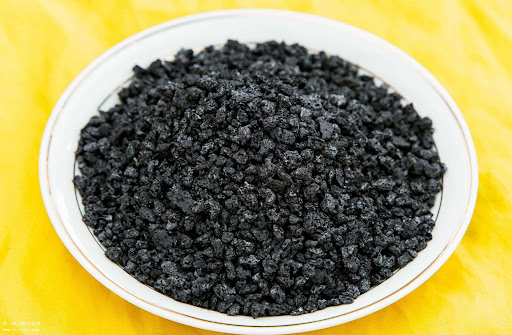
Achieving a superfine grind is essential to meet purity and performance standards. The target particle size distribution for calcined petroleum coke grinding typically hits a D50 of 5–10 microns with a tight D97 threshold to ensure minimal oversize particles. This ultrafine powder specification directly correlates with improved surface activity and better anode quality in carbon additive milling equipment. Petcoke’s hardness, low grindability, and strict purity requirements necessitate a specialized roller mill with precise particle size control and contamination prevention features. Selecting a mill tailored to these challenges ensures efficient production of high-purity, superfine petcoke powders suited for advanced industrial applications. When choosing a superfine roller mill for high-purity petroleum coke, certain features are non-negotiable to get the best results. Here’s what you need to look for:
Classification Precision
A built-in air classifier is crucial. It ensures your mill separates particles precisely, achieving the right D97 particle size distribution—usually between 5 to 10 microns for petcoke. Look for mills with variable frequency drives (VFD) that let you adjust the classifier wheel speed on the fly. This flexibility helps control the cut point and maintain a steep particle size distribution (PSD) curve, cutting down on unwanted “overs” (too large) and “fines” (too small). This precision is key for consistent quality, especially in anode material powder processing.
Since petroleum coke is tough on equipment, the rollers and grinding rings must be made from wear-resistant alloys or ceramic composites. Epic Powder mills use advanced lining technologies that prevent iron contamination during grinding—iron is the enemy of purity, especially for downstream uses like batteries. These specialized linings reduce metal pick-up, keeping your product clean and high quality.
Grinding Efficiency & Pressure Systems
Efficient grinding depends on the pressure system. Mechanical spring pressure is common but can struggle with dense materials like petcoke. Hydraulic pressure systems or high-pressure suspension grinding techniques are better as they apply consistent, stronger force. This makes it easier to break down the tough Mohs hardness of petroleum coke and achieve superfine particle sizes. Epic Powder’s mills excel here, handling dense calcined petroleum coke with ease while maintaining steady throughput.
In short, focus on roller mills that combine precise classification with tough wear protection and effective high-pressure grinding. This ensures top-notch ultrafine powder production with minimal contamination—exactly what you need in petroleum coke grinding for high purity.
Operational Efficiency and Total Cost of Ownership
When picking a superfine roller mill for high-purity petroleum coke, understanding operational efficiency directly impacts your total cost of ownership (TCO). Here’s what to keep in mind:
Energy Consumption
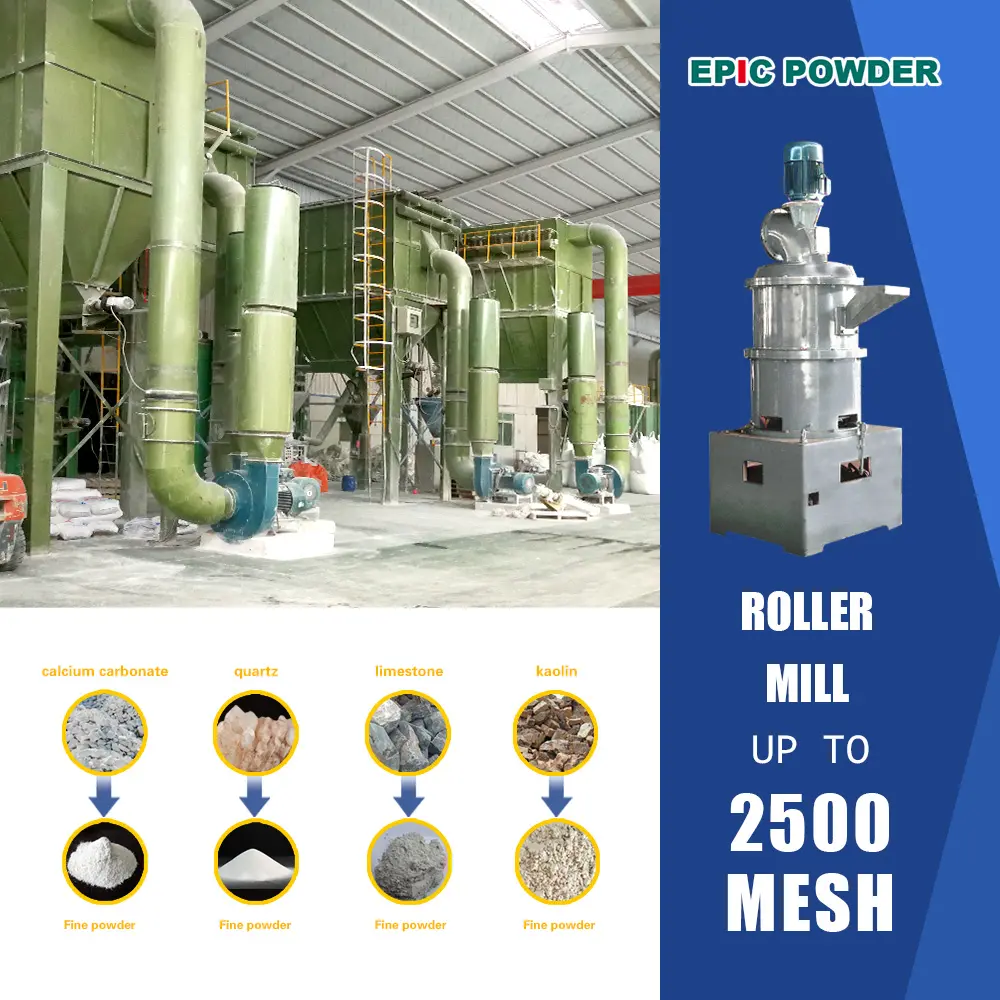
Superfine roller mills typically use less energy than ball mills or jet mills. On average, they consume fewer kWh per ton of calcined petroleum coke grinding, making them more economical over time. This lower energy use is key when running large-scale ultrafine powder production lines, especially since reducing power costs helps maintain a better bottom line. A crucial performance point is how much material you recycle inside the mill versus how much ends up as finished product. Efficient roller mills maintain a balanced internal circulation load, minimizing waste and boosting overall yield. This tight control means more product meets the D97 particle size distribution target, which is critical for anode material powder processing where purity and particle size matter.
Maintenance Accessibility
A mill’s design should make it easy to replace wear-resistant grinding rollers and rings. Downtime caused by long, complicated maintenance kills profitability fast. Look for mills where components can be swapped quickly without major disassembly. This approach minimizes disruptions and keeps your operation running smoothly, preventing costly delays. Choosing a superfine roller mill with lower energy consumption, higher yield efficiency, and easy maintenance access is key to optimizing your operational costs when milling high-purity petroleum coke.
Intelligent Control Systems
When selecting a superfine roller mill for high-purity petroleum coke, smart control systems are a must-have. PLC integration plays a key role here—it automates feed control to keep the mill running smoothly. This helps prevent common issues like mill choking or running empty, which can slow down production and raise costs.
Temperature control is equally important. Grinding petroleum coke generates heat, and without proper management, this can alter the material’s properties through oxidation. Maintaining stable temperatures ensures the particle size distribution (D97) stays consistent and the powder surface modification remains intact, preserving purity and quality.
In , look for roller mills equipped with advanced PLC feed controls and reliable temperature management. This combo boosts efficiency, protects your investment, and guarantees the consistent ultrafine calcined petroleum coke grinding performance your application demands.
Epic Powder
Epic Powder understands that every petroleum coke grade demands a unique approach to superfine grinding. Our roller mills are specially customized, with precise control over airflow and grinding pressure to match different petcoke hardness and moisture levels. This customization ensures consistent particle size distribution, especially hitting that crucial D97 particle size range of 5–10 microns needed for high-purity powder.
In terms of performance, Epic Powder machinery delivers impressive output capacities while maintaining exceptional purity. Our vertical roller mill specifications focus on minimizing iron contamination, using ceramic lined grinding mills and wear-resistant grinding rollers. This keeps the powder clean, perfect for applications like anode material powder processing or carbon additive milling equipment.
Epic Powder also stands out with reliable after-sales support. Spare parts for high-wear components like grinding rings and rollers are readily available, reducing downtime and keeping your operations running smoothly. This focus on maintenance accessibility helps control total cost of ownership (TCO) while maintaining industrial pulverizer efficiency. Choosing Epic Powder means getting tailored superfine roller mill solutions built for consistent quality, high output, and long-term reliability in calcined petroleum coke grinding.

“Thanks for reading. I hope my article helps. Please leave a comment down below.
You may also contact EPIC Powder online customer representative Zelda for any further inquiries.”
— Jason Wang, Senior Engineer

