
How to Produce Fine Limestone Powder with High-Efficiency Ring Roller Mill
What Is Fine Limestone Powder and Its Industrial Applications
Fine limestone powder is a finely ground form of natural limestone rock, primarily composed of calcium carbonate (CaCO3). Due to its fine particle size and high purity, it serves as a crucial raw material across various industries. The consistent quality and fineness of limestone powder are essential for these industries to achieve desired chemical and physical properties in their final products. A ring roller mill grinds limestone by using the combined action of grinding rollers pressing against a rotating grinding ring.
As limestone feeds into the mill, the rollers apply pressure to crush and pulverize the limestone. The grinding ring rotates, facilitating continuous material movement and efficient grinding. The pulverized fine limestone passes through a separator inside the mill for particle size classification. Coarser material returns to the grinding zone for further reduction, enhancing product uniformity. This design ensures high grinding efficiency, low energy consumption, and consistent fine limestone powder output.
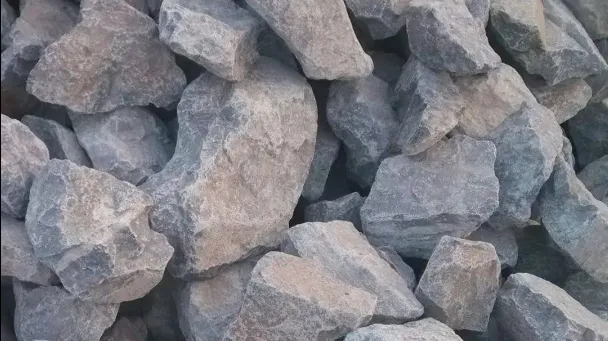
The limestone applications range widely, including:
- Cement Production: Enhances strength and durability in concrete mixtures.
- Agriculture: Acts as soil conditioner to neutralize acidity and improve crop yield.
- Glass Manufacturing: Provides calcium to improve glass clarity and stability.
- Plastic and Paint Industries: Used as a filler to improve texture, opacity, and cost-efficiency.
- Environmental: Utilized in flue gas desulfurization to reduce emissions in power plants.
Key Grinding Characteristics of Limestone Material
Understanding limestone’s grinding properties is essential for optimizing the ring roller mill process. Key characteristics include:
- Hardness: Limestone typically has a Mohs hardness of 3 to 4, making it moderately soft and easier to grind compared to harder minerals.
- Moisture Content: Low moisture content helps prevent material clogging and improves milling efficiency.
- Particle Abrasion: Limestone generates low abrasion inside the mill, reducing wear on rollers and grinding rings.
- Friability: Limestone is relatively friable, allowing efficient breakage into fine powder with less energy.
These properties make limestone an ideal candidate for ring roller mill grinding, resulting in high throughput and fine particle distribution.
What Particle Size Can a Ring Roller Mill Achieve for Limestone Powder?
Ring roller mills are designed to produce fine limestone powder with a particle size typically ranging from 75 to 2000μm. It’s depending on the specific grinding settings and the desired fineness. With advanced classification systems integrated, these mills can consistently achieve ultra-fine particles suitable for various industrial uses like construction, filler materials, and chemical processing. If your goal is to get very fine powders, some setups can push the limits toward the finer end, providing a uniform particle size distribution that improves the final product’s quality and performance. For a more detailed look at how fine calcium carbonate powders are achieved, check out our guide on producing ultra-fine calcium carbonate powder with ring roller mill technology.
Is a Ring Roller Mill Suitable for Large-Scale Limestone Powder Production?
Absolutely. Ring roller mills are well-suited for large-scale limestone powder production because they balance high output capacities with energy efficiency and stable operation. They allow continuous grinding and classification, which means you can maintain a steady flow without frequent stops, ideal for industrial-scale plants. Additionally, their robust construction and ability to handle varying raw material hardness make them reliable for constant high-volume processing. This makes ring roller mills a favorite in the global market, especially when you need consistent quality and throughput over time. For those interested in scaling up, the comprehensive guide to ring roller mills in non-metallic mineral powder processing offers insights into maximizing production capacity while keeping operational costs low.
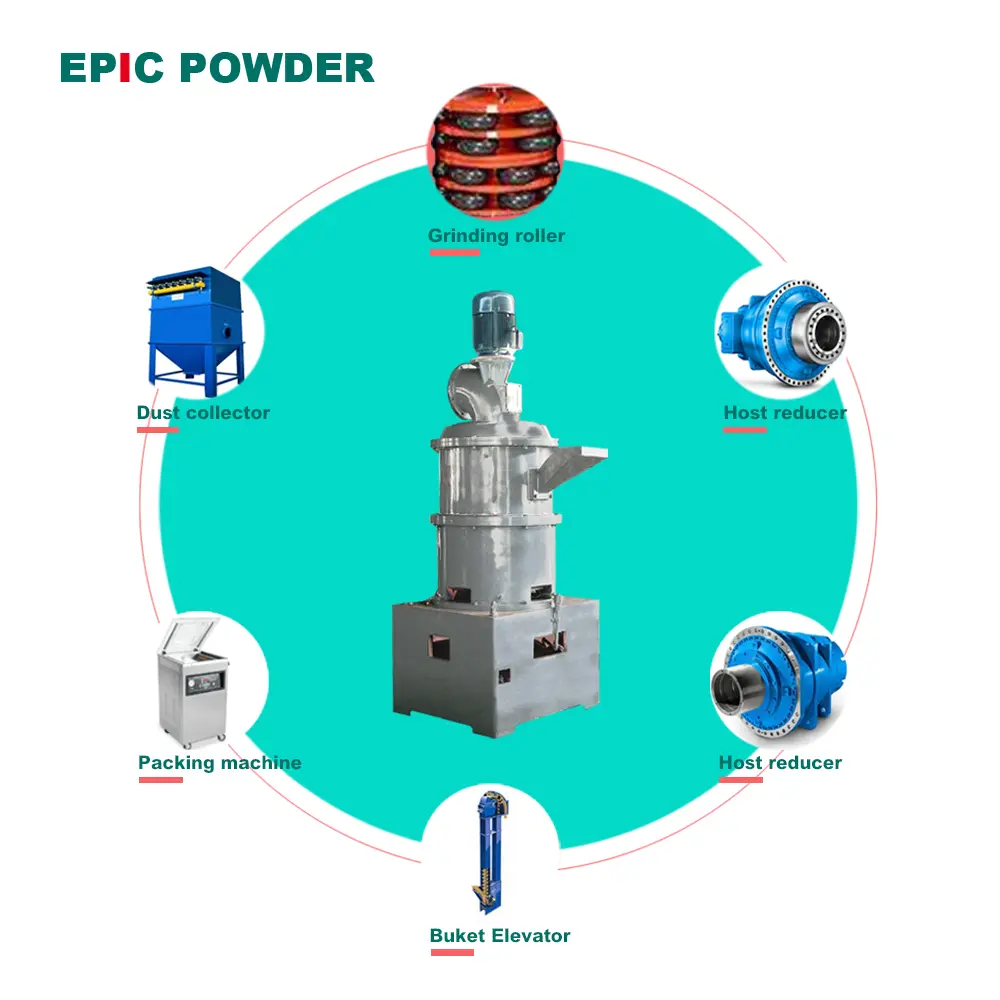
Advantages of Using a Ring Roller Mill for Limestone Powder Production
Why Ring Roller Mills Deliver Better Fineness and Energy Efficiency
Ring roller mills are a smart choice when aiming for fine limestone powder because they combine precision grinding with efficient energy use. Unlike traditional mills, the ring roller design applies consistent pressure through multiple rollers that roll over a rotating grinding ring. This setup ensures that limestone particles are crushed evenly, delivering better particle fineness without overgrinding or wasting power.
Here’s why ring roller mills stand out:
- Improved grinding uniformity: The rolling action provides stable grinding pressure, producing limestone powder with a consistent ultrafine size beneficial for industrial uses.
- Lower energy consumption: They require less power compared to ball mills or Raymond mills for the same output, cutting production costs while boosting output.
- Stable operation and less wear: The design minimizes friction and wear on key components, reducing maintenance downtime and extending the mill’s life.
- Adjustable fineness: Operators can easily control the roller pressure and speed to meet specific limestone powder specifications.
For a deeper understanding of how these mills achieve superior calcium carbonate powder quality and energy efficiency, check out this detailed explanation of how ring roller mills work for calcium carbonate grinding and insights on energy-efficient roller mill grinding.
By choosing a ring roller mill, you’re investing in a system designed to deliver consistent fine limestone powder with optimized energy use—ideal for industries that demand quality and cost-effective production.
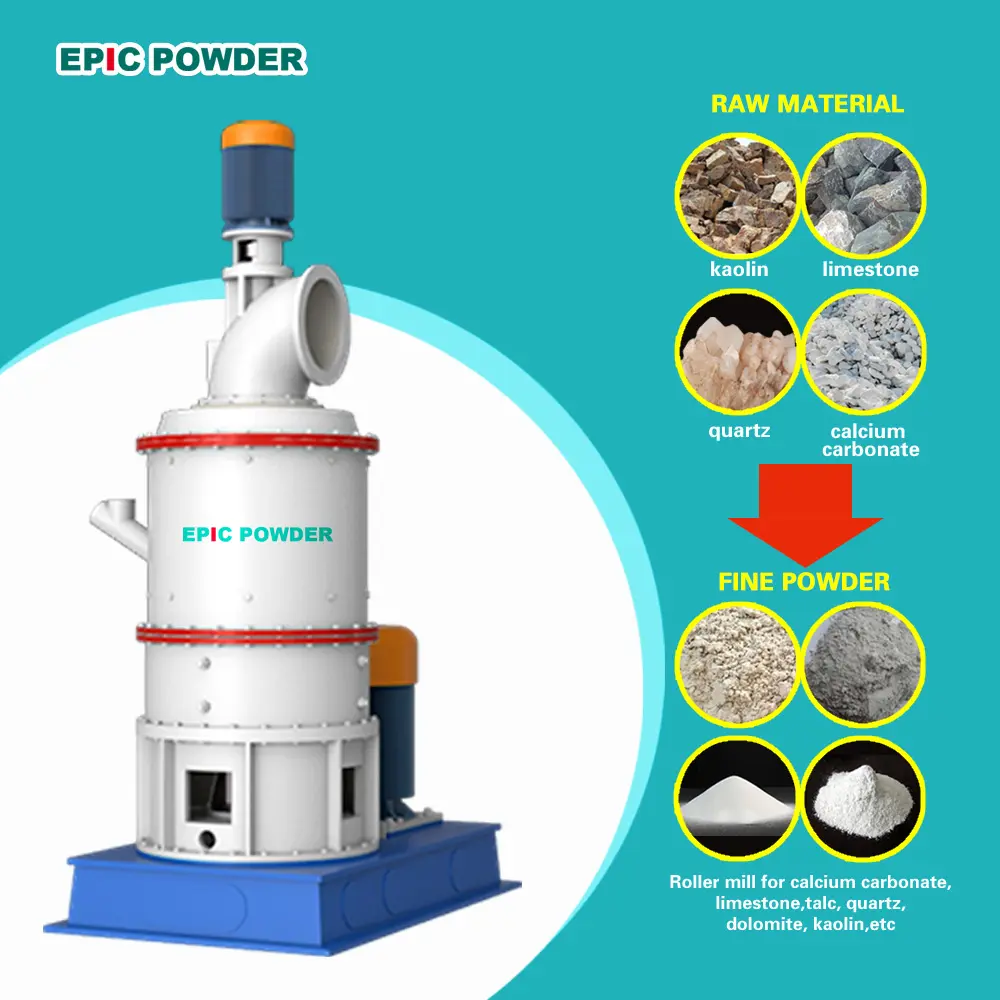
Limestone Raw Material Preparation and Feeding
The key to producing fine limestone powder with a ring roller mill starts with proper raw material preparation. Limestone should be crushed and screened to a uniform size, usually below 30mm, to ensure smooth feeding and consistent grinding. Clean, dry limestone with minimal impurities provides the best grinding performance. Feeding systems like vibrating feeders or belt conveyors deliver the material steadily into the ring roller mill, helping maintain stable operation and high efficiency.
Step 1: Grinding Process Inside the Ring Roller Mill
Inside the ring roller mill, limestone particles are crushed and ground between the grinding rollers and the rotating grinding ring. This compression and shear action reduces the limestone into a fine powder. The grinding gap can be adjusted to control the particle size, allowing precise fineness according to your needs. The design ensures efficient grinding with minimal wear and lower energy consumption compared to other mills. For specialized superfine grinding needs, combining the ring roller mill with an air classifier improves the output quality significantly, as seen in other fine powder production lines.
Step 2: Classification and Fine Powder Separation
After grinding, the fine powder is separated from larger particles using a built-in air classifier. The classifier adjusts the airflow and rotor speed to segregate particles by size, ensuring only the desired particle size passes through. Oversized particles are returned to the grinding zone for further processing. This classification step is crucial for maintaining consistent product quality and meeting strict industry standards for fine limestone powder.
Step 3: Finished Limestone Powder Collection and System Control
Once classified, the fine limestone powder is collected via cyclone separators or bag filters to minimize dust and recover maximum material. An automated control system oversees the entire process, monitoring feeding rates, mill speed, grinding pressure, and classifier settings to keep the production stable and efficient. This sophisticated control ensures a high-grade fine limestone powder output with minimal waste and energy usage.
For more detailed insights on high-efficiency grinding and classification, you can explore advanced systems such as those described in the high efficiency roller mill for superfine powder up to 2500 mesh guide.

Typical Particle Size Distribution of Fine Limestone Powder
Fine limestone powder produced by a ring roller mill typically achieves a particle size distribution centered between 2 to 10 microns, with a narrow spread. This uniformity is crucial for consistent performance across various industrial uses, from cement manufacturing to filler applications in plastics and paints. The mill’s precise grinding action ensures minimal coarse particles, enhancing the powder’s reactivity and surface area.
Production Capacity and Energy Consumption Results
Ring roller mills are designed for high-efficiency grinding, offering robust production capacities that can reach several tons per hour depending on the model and feed size. These mills consume less energy compared to traditional ball mills, making them a cost-effective choice for fine limestone powder production. The optimized roller pressure and ring speed reduce power consumption, resulting in improved operational efficiency and lower running costs.
Performance Improvements in Downstream Application
The fine limestone powder produced delivers notable improvements in downstream applications. Its consistent particle size enhances blending uniformity, reduces dust generation, and improves the flow properties in processing lines. In cement and construction, the powder increases the strength and durability of the final product. In plastics and paper manufacturing, it acts as an effective filler, enhancing brightness and surface smoothness without compromising material integrity.
For more insights on energy efficiency and performance in grinding systems, you might find the detailed comparison between ball mills and roller mills helpful, offering context on why ring roller mills excel in producing fine powders efficiently.
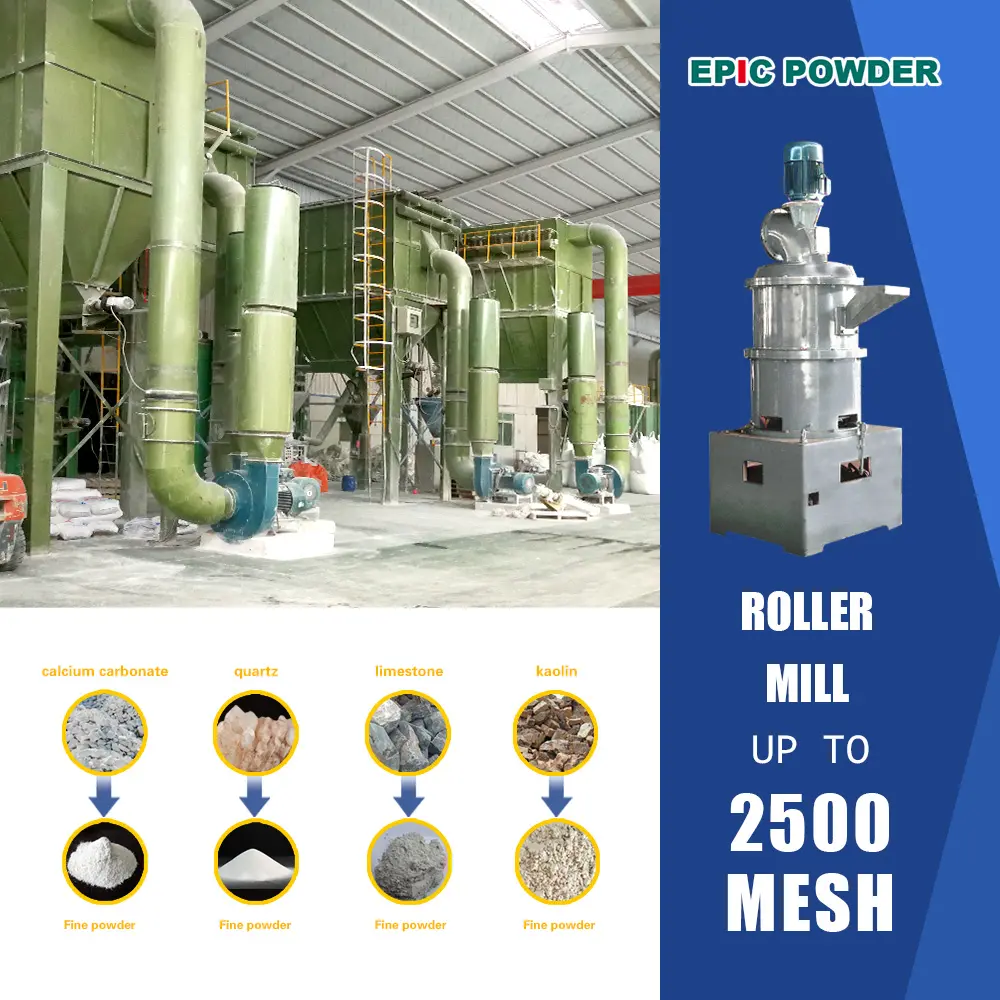
Epic Powder
Epic Powder is specialized in fine powder processing technology for mineral industry, chemical industry, food industry, pharama industry, etc. Our team has more than 20 years experience in various powders processing. We are a professional supplier of powder processing projects, especially powder milling, powder classifying, powder dispersing, powder classifying, powder surface treatment and waste recycling. We supply consultancy, testing, project design, machines, commissioning and training.

“Thanks for reading. I hope my article helps. Please leave a comment down below.
You may also contact EPIC Powder online customer representative Zelda for any further inquiries.”
— Jason Wang, Senior Engineer

