
Optimizing Feldspar Grinding with Ring Roller Mill for Consistent Quality
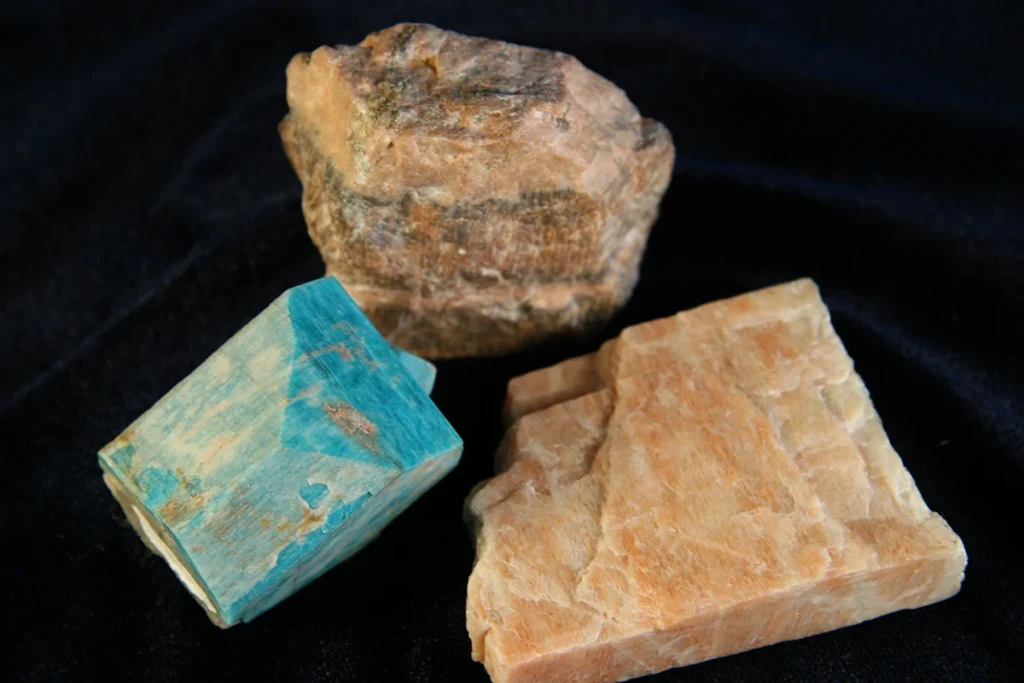
Feldspar’s Key Roles: From Flux in Ceramics to Strength in Glass
Seeking consistent feldspar powder for ceramics & glass? Discover how the Ring Roller Mill delivers high-yield, controlled grinding with superior particle shape for optimal performance. Feldspar plays a crucial role in various industrial applications, especially in ceramics and glass manufacturing. As a fluxing agent, feldspar lowers the melting temperature of raw materials, enabling smoother firing cycles for ceramic products. In glass production, it contributes essential alumina and alkali oxides, enhancing durability, chemical resistance, and overall strength. High-quality feldspar powder ensures consistent chemical composition and particle size, which directly impacts the final product’s performance and appearance.
How Poor Grinding Affects Final Products
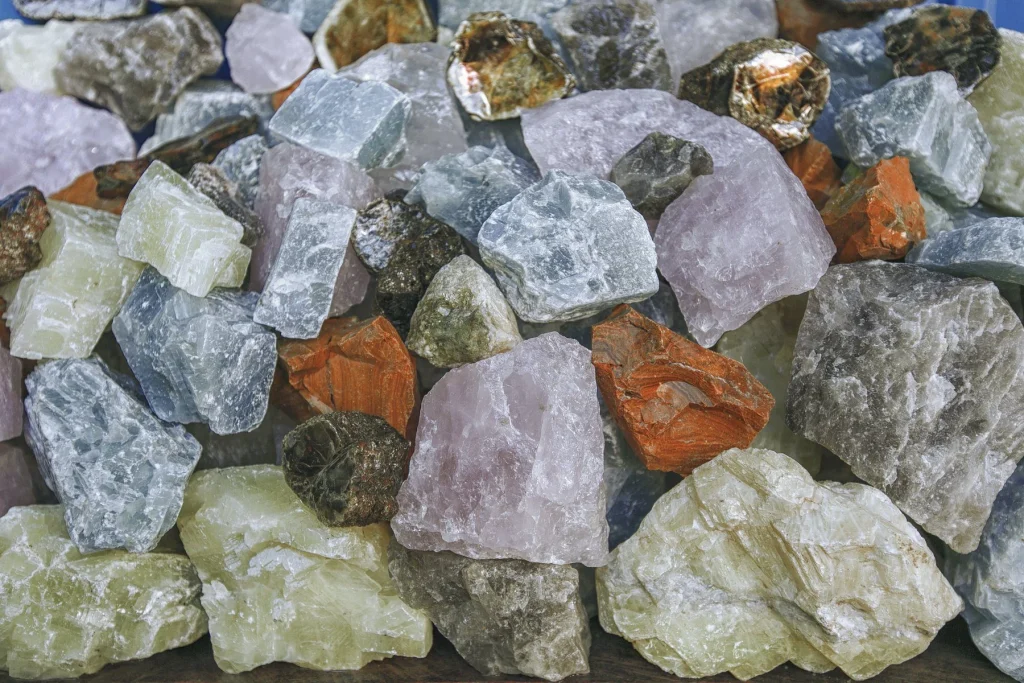
Inconsistent feldspar powder quality, particularly uneven particle size distribution, can lead to major manufacturing challenges. Poor grinding results in varying particle shapes and sizes that disrupt the melting process, causing defects like surface blemishes, reduced strength, and color irregularities in ceramics and glass. Such inconsistencies increase waste, reduce yield, and elevate production costs. Therefore, optimizing feldspar processing with reliable grinding methods is essential to deliver consistent powder quality that meets stringent industrial requirements.
The Efficient Power of the Ring Roller Mill
The Synergy Between Rollers and Grinding Ring
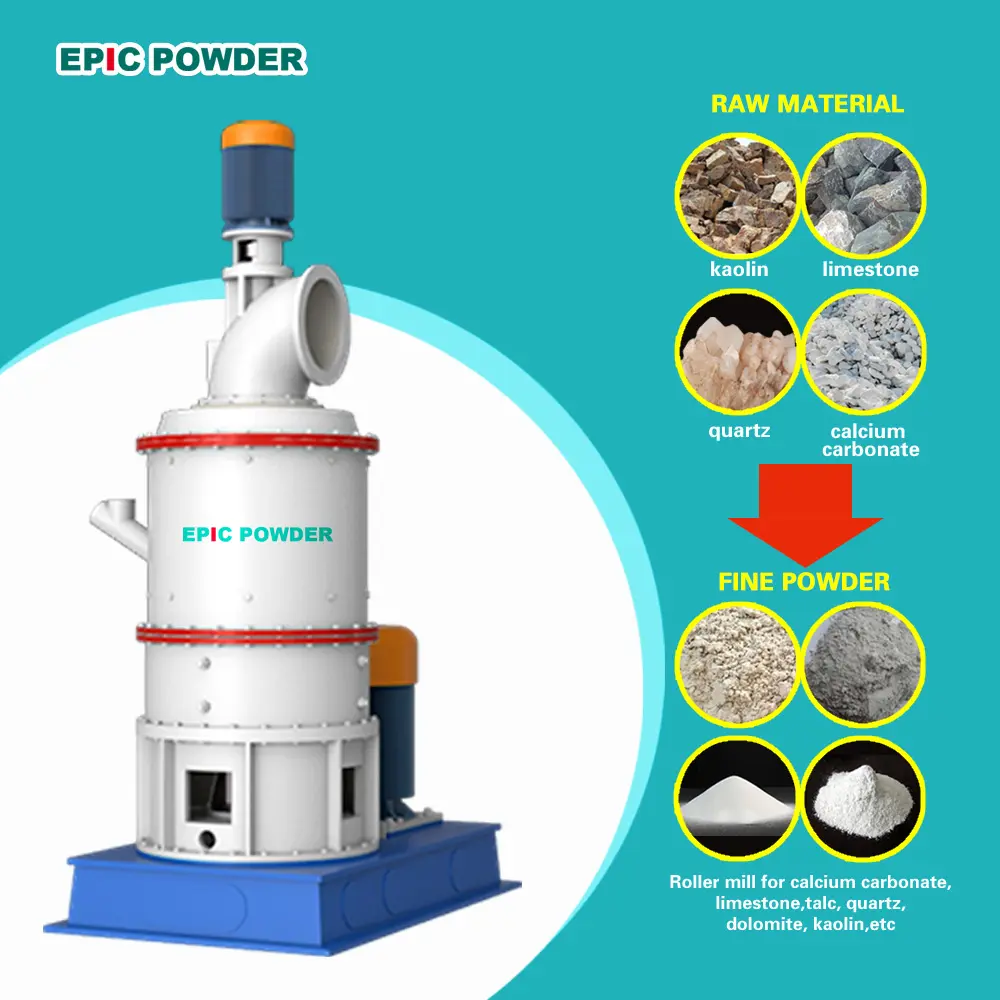
The ring roller mill’s core design is all about teamwork. Rollers press feldspar against a spinning grinding ring, creating a smooth yet powerful grinding action. This setup ensures even crushing with less heat buildup, preserving powder quality. The balance between rolling and friction produces consistent results, perfect for feldspar’s unique hardness and abrasiveness.
In-Built Classification: Integrated Dynamic Classifier for Immediate Sizing
One of the biggest perks is the built-in dynamic classifier. It sorts feldspar particles right in the mill, delivering powder that’s consistently sized without extra steps. This immediate sizing reduces the need for additional equipment, lowers energy use, and guarantees the targeted particle size every single time — a must for industrial feldspar processing.
Achieving the Desired Particle Morphology: A Balance of Shear and Compression
Feldspar powder quality hinges on shape, not just size. The ring roller mill finely tunes grinding by balancing shear (sliding force) and compression (crushing force). This dual action creates particles that flow well and pack tightly, improving their performance in ceramics and glass. The result is a stable, high-quality powder tailored to feldspar’s specific processing needs.
Key Advantages for Feldspar-Specific Processing
High Capacity with Lower Energy Consumption
When working with feldspar, keeping your operation efficient matters a lot. The ring roller mill stands out by delivering high throughput without guzzling energy. This means you can process larger volumes of feldspar powder faster, cutting down operating costs. Its design focuses on maximizing grinding action per unit of energy, making it perfect for industries looking to optimize production while keeping energy bills in check.
Exceptional Stability and Consistency in PSD
Consistent particle size distribution (PSD) is critical for feldspar’s performance in ceramics and glass. The ring roller mill excels here by maintaining tight control over the grinding process. You get uniform, fine particles every time, which helps avoid defects and ensures predictable behavior in your final product. Stability in PSD boosts product quality and reduces waste from off-spec batches.
Durability with Abrasive Materials
Feldspar is abrasive, and not every mill can withstand the wear and tear. The ring roller mill features a rugged construction with wear-resistant materials designed for long service life. This durability translates to fewer downtime events and lower maintenance costs. For feldspar processing, choosing a mill that holds up over time means smoother operations and better ROI.
Process Optimization: Key Parameters for Feldspar Milling
Controlling Fineness: The Primary Role of Classifier Speed
In feldspar milling, classifier speed is the main control for particle size. Adjusting this speed changes the powder’s fineness, ensuring consistent output tailored to industrial needs.
- Faster classifier speed = finer feldspar powder
- Slower speed = coarser particles
Maintaining tight control here helps avoid product variability, crucial for ceramic and glass quality.
Balancing Grinding Force and Feed Rate
Optimizing grinding force and feed rate keeps feldspar powder quality stable and energy-efficient. Too much force can cause over-grinding; too little leads to large particles. Meanwhile, feed rate impacts throughput and mill load:
| Parameter | Effect on Milling |
| Higher Grinding Force | Finer particles but increases wear |
| Lower Grinding Force | Larger particles, less energy use |
| High Feed Rate | Increases capacity but risks uneven grind |
| Low Feed Rate | Better control but lower output |
Aim for a balanced combo to maximise powder quality and mill lifespan.
System Airflow: The Conveying and Cooling Medium
Airflow inside the ring roller mill serves two key jobs:
- Conveying feldspar particles smoothly through the system
- Cooling the grinding area to prevent temperature build-up
Proper airflow settings avoid heat damage that can alter feldspar properties and help maintain consistent powder quality throughout the process. Adjusting airflow also influences particle classification efficiency, ensuring a precise feldspar powder size distribution.
Key Takeaway: Optimizing classifier speed, grinding force, feed rate, and airflow ensures top-notch feldspar powder quality with the ring roller mill’s reliable and consistent performance.
Case Study: Enhancing Ceramic Tile Quality for a Southeast Asian Manufacturer
Client Challenge: Inconsistent Fluxing Leading to Surface Defects
A leading ceramic tile manufacturer in Southeast Asia struggled with inconsistent fluxing during production, mainly caused by uneven feldspar powder quality. This inconsistency often resulted in surface defects like pinholes and uneven glaze finish. Their existing grinding setup couldn’t guarantee uniform particle size distribution, directly impacting the tile’s strength and appearance.
Epic Powder Solution: Implementation of a High-Capacity Ring Roller Mill
Epic Powder recommended replacing their old mill with a high-capacity ring roller mill designed specifically for feldspar processing. The mill’s ability to deliver consistent particle size and shape played a key role. Integrated dynamic classifiers ensured immediate and precise sizing, while the mill’s efficient grinding mechanism balanced shear and compression for optimal powder morphology. This upgrade was tailored to the manufacturer’s throughput needs and product quality standards.
Documented Results: Quantitative Improvements in Production
Post-installation, the manufacturer reported:
- 25% increase in production capacity due to better milling efficiency
- Consistent particle size distribution, drastically reducing defects related to flux inconsistency
- Improved tile surface quality with fewer glaze irregularities
- Lower energy consumption per ton processed, reducing overhead costs
This case highlights how optimizing feldspar processing with the ring roller mill drives quality control and production efficiency for demanding ceramic applications.
The Epic Powder Advantage
Model Spotlight: Features of Epic Powder’s Ring Roller Mill Series
Epic Powder’s ring roller mills stand out in feldspar processing thanks to:
- Robust Construction: Heavy-duty rollers and grinding rings designed to handle abrasive feldspar.
- Integrated Dynamic Classifier: Ensures immediate particle size control for consistent powder quality.
- Energy Efficiency: Low power consumption relative to throughput.
- Adjustable Settings: Classifier speed and roller pressure easily tuned for specific feldspar grades.
- Compact Footprint: Ideal for both large and small-scale operations looking to optimize space.
| Feature | Benefit |
|---|---|
| Heavy-duty rollers | Extended wear life |
| Built-in classifier | Consistent powder fineness |
| Energy-saving design | Lower operating costs |
| Adjustable grinding force | Flexibility for product specs |
| Space-saving layout | Easier plant integration |
Proven Performance: Meeting Feldspar Specifications for Ceramics and Glass
Epic Powder’s ring roller mills have demonstrated reliable performance:
- Consistent Particle Size Distribution (PSD): Critical for ceramic fluxing and glass strength.
- Minimal Overgrinding: Maintains particle morphology, improving final product quality.
- Stable Operation: Reduced variability means fewer defects during production.
- High Throughput: Supports large-volume feldspar milling without sacrificing quality.
This consistency helps manufacturers maintain product standards while cutting down waste and rework.
From Test to Production: Scalable and Reliable Solutions
Whether you’re piloting a new feldspar blend or ramping up full production, Epic Powder’s ring roller mills offer:
- Easy Scale-Up: Pilot results translate smoothly to production-sized mills.
- Modular Design: Add or upgrade components as your needs grow.
- User-Friendly Control: Simple operation keeps downtime minimal.
- Global Support: Spare parts and service available worldwide.
You get a solution tailored to your mineral processing goals — one that delivers consistent feldspar powder quality every time.
Common Questions on Feldspar Milling (Q&A)
What is the typical particle size range a Ring Roller Mill can achieve for feldspar?
The Ring Roller Mill is capable of grinding feldspar to a very fine powder, typically ranging from 10 to 75 microns. This particle size range fits well with most industrial needs, especially for ceramics and glass manufacturing where consistent, fine powder quality is crucial. Thanks to its integrated dynamic classifier, the mill allows precise control over particle size distribution, ensuring feldspar powder meets exact specifications every time.
How does the wear rate of a Ring Roller Mill with feldspar impact operating costs?
Feldspar is moderately abrasive, but the Ring Roller Mill’s robust design—including wear-resistant rollers and grinding rings—significantly reduces maintenance frequency and downtime. Lower wear rates translate into fewer replacement parts and less labor, which helps keep operating costs down. In the long run, this means a more cost-effective feldspar processing setup compared to mills with higher wear rates or less durable components.
Ring Roller Mill vs. Alternative Technologies
Ring Roller Mill vs. Ball Mill
When it comes to feldspar processing, the ring roller mill clearly outperforms the traditional ball mill in several ways. First, the ring roller mill uses a combination of compression and shear forces, which leads to a more uniform particle size distribution and better particle shape. This matters because consistent powder quality directly impacts the performance of ceramics and glass products.
In terms of efficiency, ring roller mills consume less energy while delivering higher throughput. Ball mills tend to grind through impact and attrition, often producing irregularly shaped particles. This can affect the packing density and melting behavior of feldspar in downstream processes. So, if consistent particle shape and size matter for your feldspar milling, the ring roller mill is usually the better choice.
Ring Roller Mill vs. Jet Mill
Comparing ring roller mills to jet mills, the differences come down to costs and operational flexibility. Jet mills require high-pressure air or gas streams, which drives up both capital expenditure (CapEx) and ongoing operating costs (OpEx). They are great for ultra-fine grinding but less efficient for bulk feldspar processing.
Ring roller mills offer a more balanced solution: lower energy consumption, less complex infrastructure, and easier maintenance. They handle a wider range of feldspar feed sizes and produce consistent particle size with integrated classification. For manufacturers wanting reliable, scalable feldspar powder with optimized cost structure, the ring roller mill provides a clear advantage.
When focusing on optimizing feldspar processing and consistent powder quality, the ring roller mill stands out as the preferred choice over ball and jet mills due to its superior efficiency, particle control, and cost-effectiveness.
Epic Powder
At Epic Powder, we offer a wide range of equipment models and tailor solutions to meet your specific needs. Our team has more than 20 years experience in various powders processing. Epic Powder is specialized in fine powder processing technology for mineral industry, chemical industry, food industry, pharama industry, etc.
Contact us today for a free consultation and customized solutions!

“Thanks for reading. I hope my article helps. Please leave a comment down below. You may also contact EPIC Powder online customer representative Zelda for any further inquiries.”
— Jason Wang, Volunteer

