Talc Three-Roller Coating Machine: The Key to Efficient Talc Surface Modification for Plastics & Coatings
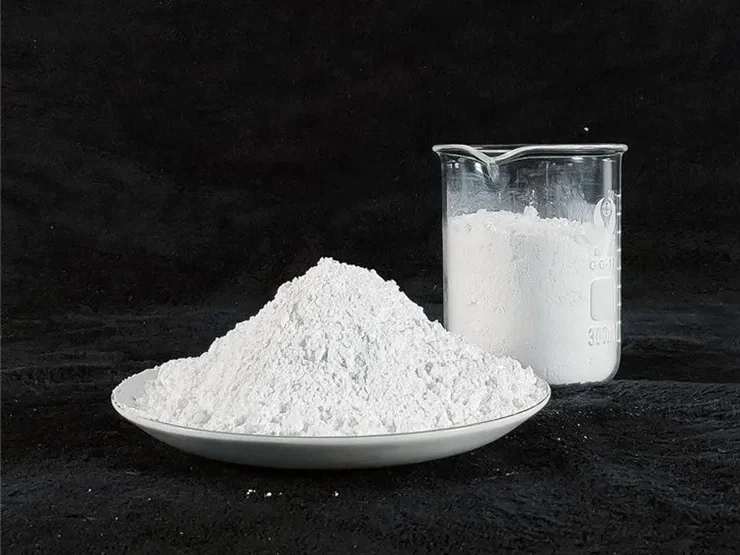
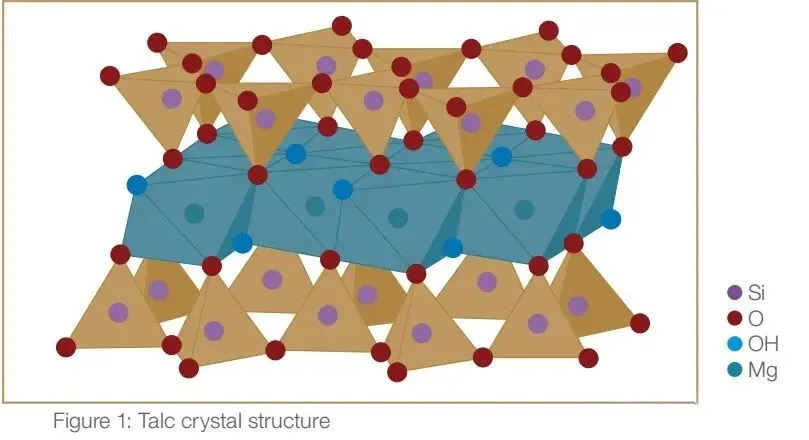
Talc powder is a naturally occurring hydrous magnesium silicate mineral with the chemical formula 3MgO·4SiO₂·H₂O. Its natural lamellar (plate-like) structure consists of a layer of brucite sandwiched between two layers of silica, held together by weak van der Waals forces. This unique structure gives talc its characteristic softness (Mohs hardness of 1), lubricity, high melting point (1550°C), and excellent chemical inertness, making it a highly effective filler across numerous industries.
Talc Three-Roller Coating Machine: The Key to Efficient Talc Surface Modification for Plastics & Coatings
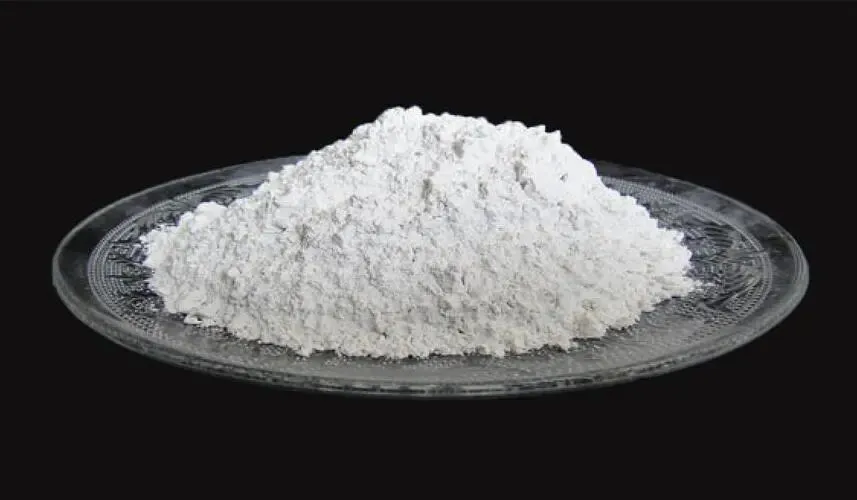
Talc powder is a naturally occurring hydrous magnesium silicate mineral with the chemical formula 3MgO·4SiO₂·H₂O. Its natural lamellar (plate-like) structure gives it softness, lubricity, and excellent chemical inertness. However, raw talc is hydrophilic, whereas most polymer resins are hydrophobic, leading to poor dispersion and weak bonding. A talc three-roller coating machine solves this incompatibility at its root by executing precision surface modification treatments that coat each particle with a functional chemical layer, transforming raw talc into a high-value, ready-to-use functional additive.
This complete guide explains how a talc three-roller coating machine works, the modifiers it can apply, and the transformative benefits it delivers in plastics and coatings.
Why Surface Modification? Turning Talc into a High-Performance Additive
The goal of talc surface modification is to coat particles with a chemical “bridge” that ensures full wetting and uniform dispersion in resin. A talc three-roller coating machine achieves this by using high-shear vortex flows to distribute modifiers evenly across every particle surface. This unlocks several critical performance improvements:
- Enhanced Dispersion: Minimizes particle agglomeration for a smoother, more consistent mixture and defect-free final products.
- Stronger Filler-Matrix Bonding: Significantly improves tensile strength, flexural modulus, and impact resistance in the composite.
- Improved Processability: Reduces polymer melt viscosity, allowing higher filler loading, easier molding, and faster cycle times.
- Superior End-Product Properties: Enhances thermal stability, heat distortion temperature (HDT), dimensional stability, and overall durability.
- Compatibility with Hydrophobic Resins: Ideal for demanding automotive, appliance, and industrial coating applications.
Key Talc Surface Modification Methods & Common Modifiers
1. Surface Coating / Chemical Modification
The most common commercial method, involving coating talc particles with an organophilic chemical layer.
Common Modifiers:
- Coupling Agents (Titanates, Silanes, Aluminates): Serve as true chemical bridges. Titanate coupling agents can increase the notched impact strength of a PP composite by up to 57.7% compared to untreated talc. Silane coupling agents are preferred in coatings and engineering plastics where moisture resistance and adhesion are critical.
- Surface Active Agents (e.g., Stearic Acid, fatty acid derivatives): Adsorbed onto talc surfaces to render them organophilic. Cost-effective for reducing agglomeration and melt viscosity, but provide weaker chemical bonding than coupling agents.
2. Mechanochemical Method & Integrating a Talc Three-Roller Coating Machine
This technique uses intensive mechanical energy to simultaneously activate talc surfaces and reduce particle size. Delamination (peeling apart talc’s natural layers) preserves a high aspect ratio that is key to reinforcement, barrier properties, and dimensional stability. A talc three-roller coating machine combines delamination and coating in one continuous step, making it one of the most efficient industrial solutions for talc surface treatment.
In this process, talc powder is fed into the high-shear zone between counter-rotating rotors running at differential speeds. The intense force delaminates talc particles while evenly distributing liquid modifier (such as a coupling agent or surfactant blend) onto the freshly exposed, highly active surfaces. The result is a fully coated, high-aspect-ratio talc product with excellent dispersibility and bonding characteristics in hydrophobic resin systems.
Compared with traditional dry mixers or single-stage mills, a talc three-roller coating machine delivers:
- Higher modifier utilization, reducing chemical waste and formulation costs.
- Better control of particle aspect ratio, preserving talc’s natural platelet structure for maximum reinforcement.
- Uniform surface coating even at very high filler loadings, ensuring consistent product quality.
3. Other Advanced Methods
Methods such as polymer encapsulation, plasma treatment, UV activation, and precipitation reactions exist but are less common in high-volume commercial production.
Choosing the Right Modifier: A Quick Reference
| Resin System / Application | Recommended Modifier Type | Key Performance Gains |
|---|---|---|
| PP automotive interior & under-hood | Titanate coupling agent | Higher rigidity, HDT, impact strength, dimensional stability |
| PE film & injection molding | Fatty acid / Stearate surfactant | Excellent dispersion, low viscosity, cost efficiency |
| Engineering plastics (PA, ABS) | Silane or Aluminate coupling agent | Improved flexural modulus, thermal stability, and surface finish |
| Industrial anti-corrosive coatings | Silane coupling agent | Superior adhesion, barrier properties, moisture resistance |
| Architectural & wood coatings | Fatty acid modified talc | Matting efficiency, sandability, anti-settling |
Benefits & Applications in Plastics
For PP Compounds
Modified talc acts as a nucleating agent for PP, increasing crystallization rate and crystallinity. This dramatically improves rigidity, heat distortion temperature, and dimensional stability. The high-aspect-ratio platelets also enhance creep resistance and reduce mold shrinkage.
In the Automotive Industry
Modified talc-filled PP compounds replace heavier engineering plastics and metal parts in instrument panels, door trims, pillars, bumper fascias, and cooling fan shrouds, reducing vehicle weight while delivering high mechanical performance.
In Home Appliances
Talc-filled PP is a material of choice for washing machine drums, pulsators, inner/outer tubs, and dishwasher components due to its excellent balance of rigidity, impact strength, and resistance to heat and humidity.
For Other Plastics
The benefits extend to PE, PVC, ABS, and Nylon. Modified talc improves flexural modulus in ABS and is widely used in PVC floor tiles and pipes.
Quantifiable Mechanical Gains
- A PP composite with just 3% talc filling showed a tensile strength of 29.27 MPa.
- A 20% talc-filled PP copolymer can achieve a flexural modulus of 2500 MPa and a tensile stress at yield of 24 MPa.
- 30% talc-filled PP can more than double the material’s flexural modulus compared to the neat resin.
Benefits & Applications in Coatings
In paints and coatings, surface-modified talc is prized for its lamellar particle shape, which creates a physical barrier within the dry film:
- Rheology and Anti-Settling: Builds a three-dimensional network that prevents pigment and filler settling during storage.
- Film Reinforcement and Durability: Overlapping platelets reinforce the paint film, protecting against cracking, moisture penetration, and UV degradation.
- Corrosion Protection: Improved barrier properties prevent corrosive substances from reaching the metal substrate in anti-corrosive primers for industrial, marine, and protective coatings.
- Aesthetics and Finish: Acts as a mild and efficient matting agent, reducing gloss for a smooth, low-sheen finish, and provides excellent sanding and polishing properties.
Making Talc Modification Scalable: The Three-Roller Coating Machine from Epic Powder
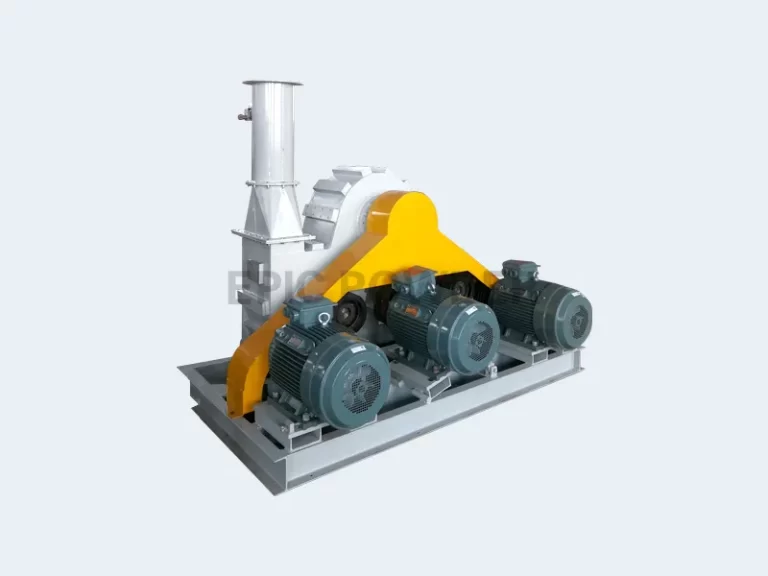
Moving from lab-scale formulation to consistent commercial production is where a specialized talc three-roller coating machine becomes essential. At Epic Powder, we design our three-roller surface modification systems to combine continuous processing with high coating uniformity. By generating a controlled high-speed vortex within the mixing chambers, the equipment ensures that coupling agents — whether titanate, silane, aluminate, or stearic acid — are melted and evenly distributed onto talc particles while simultaneously preventing re-agglomeration.
Key advantages for powder producers and compounders include:
- Continuous, automated operation under negative pressure, with no dust emissions and low labor intensity.
- Self-friction heating capability that, for many organic modifiers, eliminates the need for an external heating system, lowering both capital investment and operating cost.
- High activation rates with low modifier consumption, directly improving product quality and reducing cost per ton.
- Applicability across a wide particle size range (typically 325–3000 mesh), making it suitable for everything from conventional filler grades to ultrafine talc for high-end coatings.
→ For the full technical parameters of our CRM series, visit our Talc Three-Roller Coating Machine product page.
Conclusion & Next Steps
Surface modification is the essential bridge between raw talc mineral and high-performance functional additive. As the industry demands ever-better mechanicals, processability, and durability, the precision of the surface treatment process becomes a strategic differentiator — and the equipment you choose defines the quality you can deliver.
Whether you are formulating a lightweight automotive compound, a durable appliance component, or a long-life anti-corrosive primer, pairing the right modifier chemistry with a proven talc three-roller coating machine makes all the difference. We invite compounders, masterbatch producers, and coating manufacturers to connect with us — let’s discuss how Epic Powder’s surface modification solutions can elevate your next product generation.
Frequently Asked Questions About Talc Surface Modification
Why is surface modification necessary for talc used in plastics?
Natural talc is hydrophilic, while most plastics are hydrophobic. Without modification, talc particles agglomerate and bond poorly. Surface treatment creates a compatible, hydrophobic coating that ensures excellent dispersion and reinforcement.
What is the most effective coupling agent for talc in polypropylene?
Titanate coupling agents are widely regarded as the most effective for PP-talc systems. They significantly improve impact strength, rigidity, and melt flow, allowing higher filler loadings without sacrificing toughness.
How does a talc three-roller coating machine improve modification quality?
It applies intense shear and compressive forces that simultaneously delaminate talc into high-aspect-ratio platelets and uniformly distribute modifier onto freshly created active surfaces. This yields better coating uniformity and higher compound performance compared to simple blending.
Can surface-modified talc be used in water-based coatings?
Yes. Specially designed modifiers, including certain silane and surfactant systems, make talc compatible with water-based resin systems. The modified talc then provides anti-settling, reinforcement, and matting benefits without destabilizing the formulation.
Epic Powder
At Epic Powder, we offer a wide range of equipment models and tailor solutions to meet your specific needs. Our team has more than 20 years experience in various powders processing. Epic Powder is specialized in fine powder processing technology for mineral industry, chemical industry, food industry, pharama industry, etc.
Contact us today for a free consultation and customized solutions!

“Thanks for reading. I hope my article helps. Please leave a comment down below.
You may also contact EPIC Powder online customer representative Zelda for any further inquiries.”
— Emily Chen, Engineer