Ring Roller Mill Upgrade for a Calcium Carbonate Processor in Cairo
Location: Cairo, Egypt
Industry: Non-metallic mineral powder processing / Construction fillers
Equipment: EPIC Powder SRM800 Ring Roller Mill
Material: Calcium carbonate (limestone)
Target output: 3 tons/hour at D97 = 15 μm
Industry Background
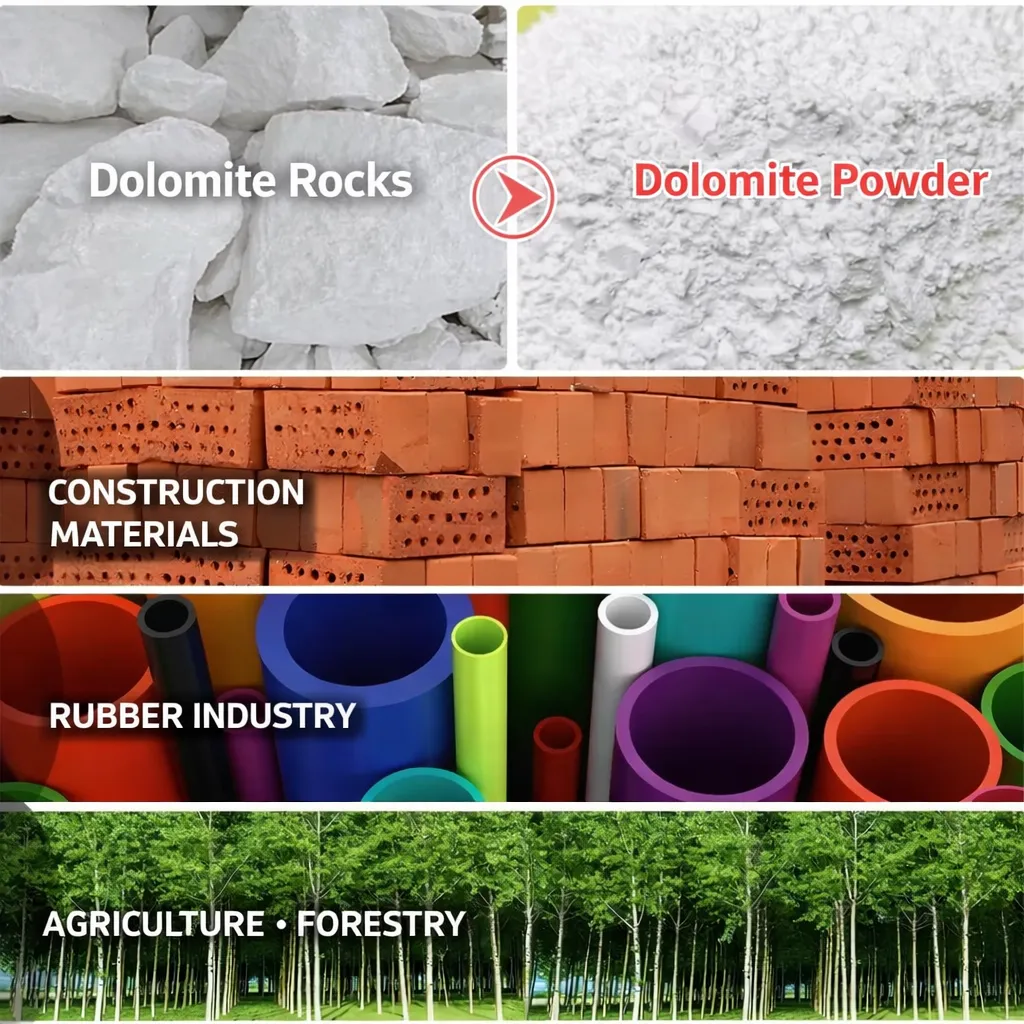
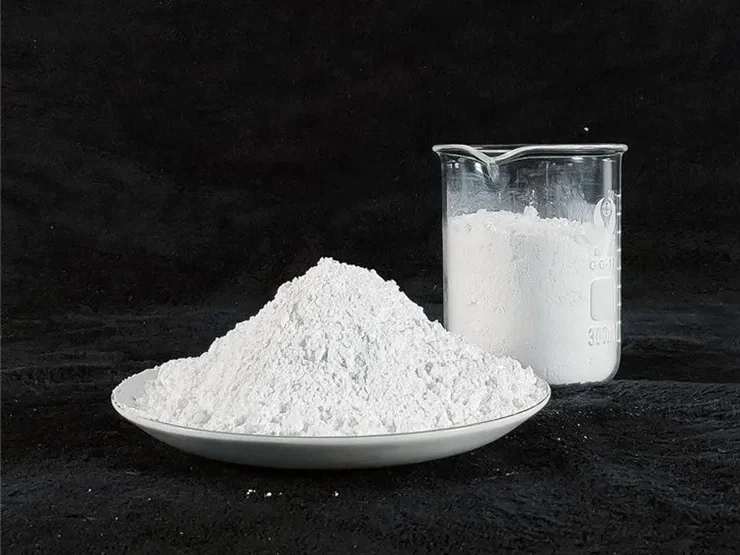
Calcium carbonate is one of the most widely used industrial minerals. It serves as a filler and coating pigment in paints, plastics, sealants, paper, and construction materials. Egypt possesses abundant limestone reserves, particularly around Cairo and the Eastern Desert, and the local processing industry has traditionally relied on Raymond mills for size reduction.
However, market demands have shifted. End users now require finer powders (typically in the 6.5–45 μm range) with tighter particle size distributions and consistent batch‑to‑batch quality. Traditional Raymond mills – which typically top out at 200–250 mesh (about 60–75 μm) – can no longer meet these specifications without multi‑pass grinding, which destroys throughput and increases operating costs.
Customer Background
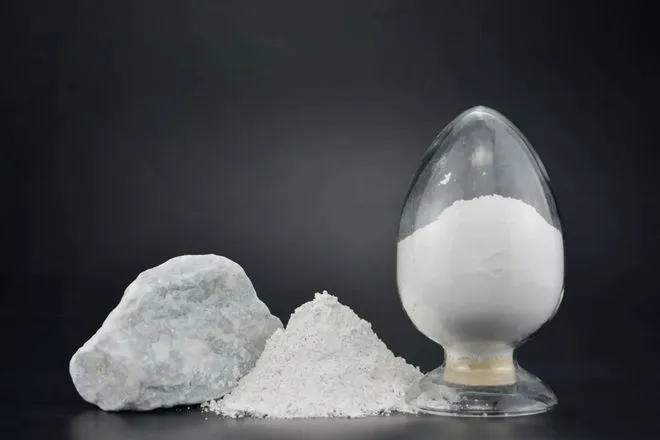
The client was a medium‑sized calcium carbonate processor based in Cairo. The family‑owned business had operated for approximately 15 years, supplying filler powder to local paint and PVC manufacturers. Their production line consisted of two Raymond mills running nearly around the clock.
By 2025, they began losing customers to competitors who could deliver finer, more consistent powder. Their existing setup produced a maximum of 1.5–2 tons/hour combined at approximately 200–250 mesh (60–75 μm). When they attempted to push the mills to finer settings, particle size distribution became erratic – wider span, higher batch‑to‑batch variation – and throughput dropped further.
Pain Points
After an initial consultation with the client‘s production manager (referred to here as Ahmed), three main issues were identified.
1. Insufficient fineness for current market requirements
The Raymond mills could not reliably exceed 300 mesh (about 48 μm). To reach the required 15–20 μm range for modern filler applications, the material would need to pass through the mill multiple times, which reduced effective throughput to below 0.5 tons/hour per mill – economically unviable for their order volumes.
2. High energy consumption
Raymond mills are not known for energy efficiency. Operating two units continuously at full load consumed approximately 95 kWh per ton of finished product. Energy accounted for nearly 30% of their operating budget, and they were not achieving the product quality needed to justify that expense.
3. Frequent maintenance and wear
Grinding rollers and rings on the Raymond mills required replacement every 6–8 months. Replacement parts were costly, and each shutdown caused production delays. The maintenance team was effectively dedicated to keeping the old mills running, rather than improving other parts of the plant.
Why the SRM800 Ring Roller Mill?
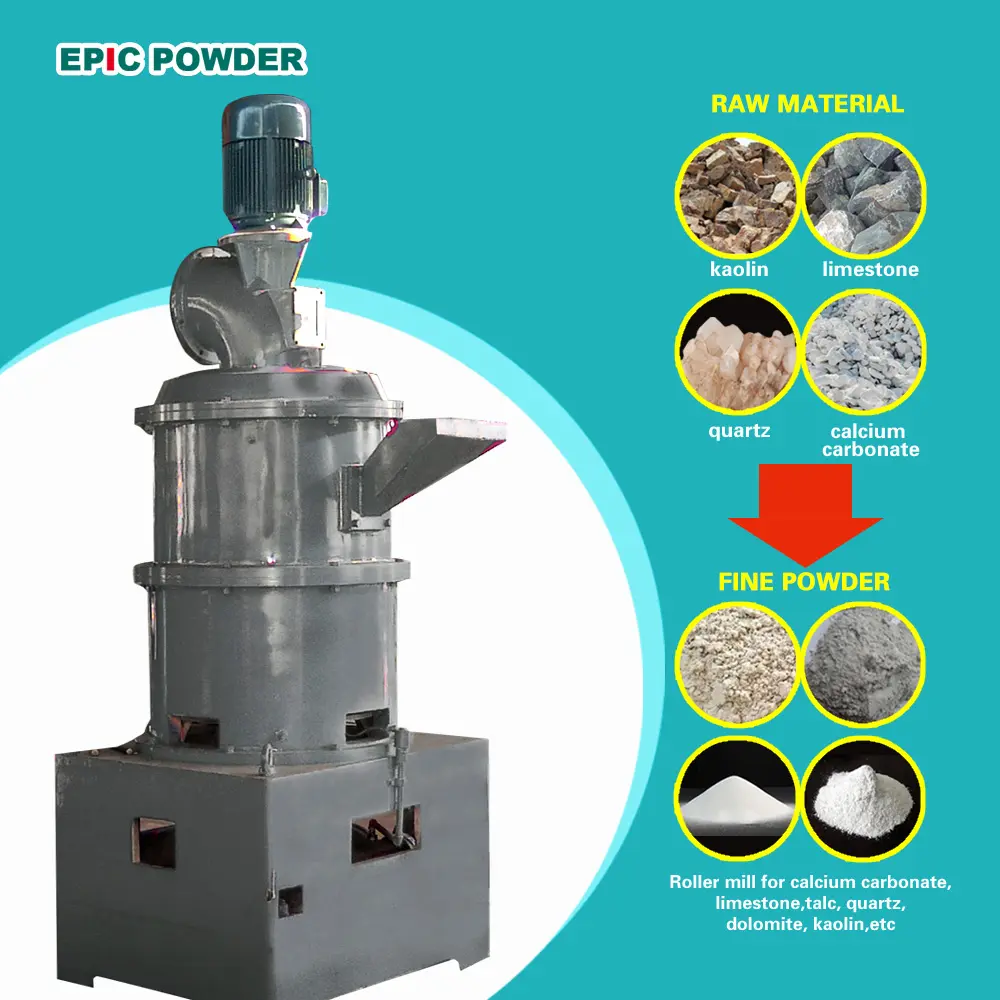
A jet mill could achieve fine sizes down to 2–3 μm, but its operating cost – driven by compressed air consumption – is significantly higher than what is justified for calcium carbonate filler applications. For the 6.5–45 μm range (about 325–2500 mesh), the EPIC SRM series ring roller mill offers a more balanced solution.
Key advantages of the SRM800 design:
- Multi‑layer grinding ring system. Instead of one or two rollers, multiple rollers arranged in rings rotate around a stationary grinding track. Material is crushed through compression, shearing, and impact, producing a finer product than a Raymond mill with a tighter particle size distribution – reliably achieving D97 between 6.5 μm and 45 μm.
- Integrated air classifier. The built‑in cage classifier rotates at variable speed, continuously separating fine particles from coarse ones. Acceptable fines are collected; oversize material returns to the grinding zone for another pass. This eliminates the need for manual recirculation.
- Lower energy consumption per ton. For the same output and target fineness (e.g., D97 = 15 μm), the SRM800 typically uses 30–40% less energy than a ball mill and significantly less than a jet mill. For a 24/7 operation, the savings are substantial.
- Extended wear life. Grinding rings and rollers are manufactured from high‑hardness wear‑resistant alloys. For calcium carbonate, expected service life ranges from 2 to 5 years – considerably longer than the 6‑8 months typical for Raymond mill components.
Material Testing
Ahmed was skeptical – a reasonable position given the number of equipment vendors making similar claims. To address this, EPIC Powder requested a 200 kg sample of their crushed limestone (feed size <10 mm). The sample was tested in the EPIC laboratory using a lab‑scale ring roller mill (SRM series design).
The test team adjusted three primary parameters:
- Classifier rotor speed (controls top‑cut size)
- Airflow volume (affects throughput)
- Grinding pressure (influences fineness and energy use)
Approximately four hours of tuning were required to optimize performance for this specific material, targeting a final product within the 6.5–45 μm range.
Test results compared to existing Raymond mill:
| Parameter | Existing Raymond Mill | EPIC SRM800 Ring Roller Mill |
|---|---|---|
| Product fineness | ~60–75 μm (200–250 mesh) | D97 = 15 μm (within 6.5–45 μm) |
| Throughput (per hour) | 0.75–1.0 ton (per mill) | 2.8–3.2 tons |
| Energy consumption | ~95 kWh/ton | ~65 kWh/ton |
| D50 batch‑to‑batch variation | ±15% | ±5% |
| Roller/ring wear life | 6–8 months | 3–4 years (projected) |
The client received a full test report including particle size distribution charts and a video recording of the test run. They approved the equipment order within two weeks.
Equipment Supplied
EPIC Powder supplied a complete SRM800 ring roller mill system configured for calcium carbonate, including:
- Main grinding unit with multi‑layer ring rollers
- Variable‑frequency cage classifier (integrated)
- Pulse jet bag dust collector (99.9% collection efficiency, compliant with local environmental standards)
- PLC control panel with touchscreen interface
- Feeding system (bucket elevator plus vibrating feeder)
Installation took approximately ten working days. EPIC‘s field service team supervised the setup, provided two days of on‑site operator training, and delivered a complete operations manual. The PLC control system stores up to ten material recipes, allowing the client to switch between different product grades (from 6.5 μm to 45 μm) with a single recall command.
Operational Results After Six Months
Ahmed provided a follow‑up report via email after six months of continuous production. Key outcomes included:
- Throughput reached 3 tons/hour consistently, up from 1.5 tons/hour combined from the two old Raymond mills. One Raymond mill was retired; the other was retained for coarse product applications only.
- Energy consumption decreased by approximately 35% per ton of finished product. The integrated classifier eliminated recirculation passes, and the optimized grinding design reduced overall power demand.
- Product fineness consistently achieved D97 = 15 μm, well within the 6.5–45 μm specification. Span values remained below 1.2. One paint customer increased their order volume specifically because the powder was more uniform.
- No major maintenance issues after six months. Grinding ring and rollers showed minimal wear. The maintenance team was redeployed to other areas of the plant.
- Plant cleanliness improved significantly. The pulse dust collector contained almost all process dust, eliminating the previous problem of airborne powder throughout the production area.
In Ahmed‘s words: “We should have made this change two years earlier. The old mills were quietly eating our profit margins. The new SRM800 ring roller mill will pay for itself in energy savings alone within 12 months.”
Applicability to Other Materials
The SRM800 and its larger sibling, the SRM1000, are suitable for a range of non‑metallic minerals, provided the material has a Mohs hardness below 6 and moisture content below 5%. EPIC has successfully tested the following materials:
- Talc (cosmetics, paper filler)
- Gypsum (wallboard, cement additive)
- Barite (oil drilling muds)
- Bentonite (foundry sands, cat litter)
- Petroleum coke (fuel, anode production)
For harder materials (e.g., quartz, feldspar), a jet mill or ball mill would be more appropriate.
Summary for Calcium Carbonate Processors
For calcium carbonate – or talc, gypsum, barite, and most other non‑metallic minerals – an EPIC SRM series ring roller mill offers a cost‑effective solution when Raymond mills can no longer achieve the required fineness (6.5–45 μm).
The SRM800 does not replace a jet mill for ultra‑fine applications (sub‑5 μm). However, for the 6.5–45 μm range (approximately 325–2500 mesh), it is likely the most economical option available: lower energy cost, better particle size control, and significantly reduced maintenance compared to older technologies.
Free Material Testing Available. EPIC Powder invites potential customers to send a 50–100 kg sample of their material. The sample will be tested on a laboratory ring roller mill (SRM design), and a full test report with particle size analysis will be provided – no obligation to purchase.
[Contact EPIC Powder Machinery →] https://rollermill.net/contact/
Quick Selection Guide: SRM Series Ring Roller Mill vs. Other Mills
| Equipment | Best For | Typical Fineness Range | Energy Efficiency | Common Applications |
|---|---|---|---|---|
| Raymond mill | Coarse to medium powder | 80–325 mesh (180–45 μm) | Low to medium | Basic filler powders, low‑cost production |
| EPIC SRM800/1000 | Fine to ultra‑fine powder | 325–2500 mesh (45–6.5 μm) | High | Calcium carbonate, talc, gypsum, barite |
| Ball mill | Medium to fine powder | 100–800 mesh (150–18 μm) | Low (high energy) | Ore processing, cement raw meal |
| Jet mill | Ultra‑fine powder | 1000–10000 mesh (13–1 μm) | Low (very high energy) | Pharmaceuticals, battery materials, high‑value additives |
The SRM800 occupies the sweet spot for most industrial filler applications: fine enough to meet modern specifications (down to 6.5 μm), without the prohibitive energy cost of a jet mill. For many processors, that balance makes it the practical choice.
Epic Powder
At Epic Powder, we offer a wide range of equipment models and tailor solutions to meet your specific needs. Our team has more than 20 years experience in various powders processing. Epic Powder is specialized in fine powder processing technology for mineral industry, chemical industry, food industry, pharama industry, etc.
Contact us today for a free consultation and customized solutions!

“Thanks for reading. I hope my article helps. Please leave a comment down below. You may also contact EPIC Powder online customer representative Zelda for any further inquiries.”
— Jason Wang, Engineer