
Roller Mill Mechanical Problems: Bearing, Hydraulic & Noise Fixes (Part 2)
This is Part 2 of a 2-part series. Part 1 covers grinding performance issues including vibration, coarse output, low capacity, and roller wear. Read Part 1 ←
Mechanical and system failures are among the most disruptive problems in roller mill operations. Bearing seizure, hydraulic instability, and material blockages can shut down production for hours or even days.
This guide covers the 4 most common mechanical and system issues in ring roller mills and vertical roller mills. Each problem includes the symptoms, root causes, step-by-step fixes, and preventive measures. Use this guide to reduce unplanned downtime and keep your equipment running reliably.
Who this guide is for: Maintenance engineers, plant operators, and reliability managers. Covers ring roller mills, vertical roller mills, and Raymond mills. Applies to mineral, chemical, and powder processing industries.
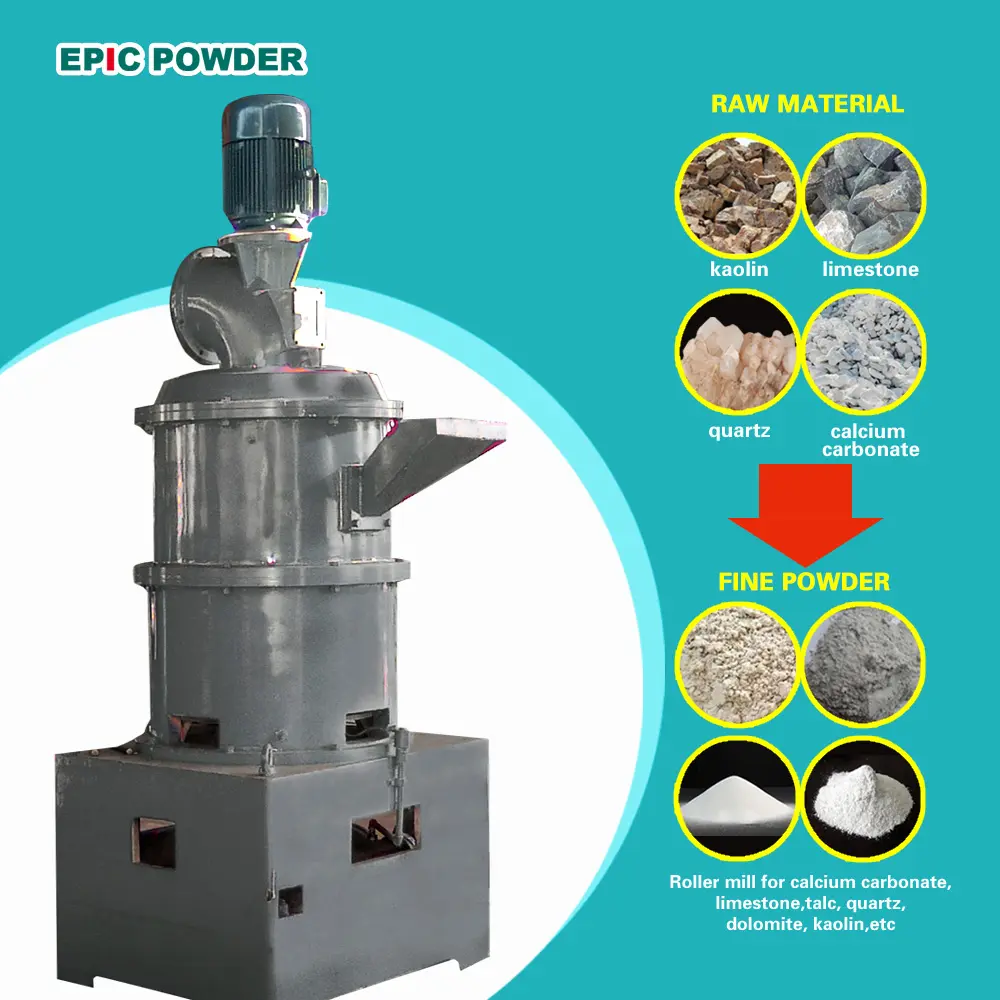
1. Bearing Overheating & Premature Failure
Problem #1: Bearing Overheating & Premature Failure
Symptoms
Bearing temperature exceeding 85°C (185°F) during normal operation
Discoloration or bluing on bearing races upon inspection
Unusual grinding or squealing noise from the bearing housing
Grease leakage or carbonized lubricant around bearing seals
Frequent bearing replacement intervals (less than 12 months)
Root Causes
Improper lubrication: Wrong grease type, insufficient quantity, or contaminated lubricant
Over-greasing: Too much grease causes churning, friction, and heat buildup
Misalignment: Roller shaft and bearing housing are not properly aligned
Contamination: Fine powder ingress through worn seals damages bearing surfaces
Excessive load: Operating beyond the bearing’s rated dynamic load capacity
Inadequate cooling: Cooling water or air circulation system is blocked or underperforming
Troubleshooting Steps
1. Check lubrication immediately. Verify the grease grade. Use NLGI #2 lithium-complex for high-temperature mill bearings. Purge old grease. Inspect for metal particles or discoloration.
2. Confirm grease quantity. Bearings should be filled to 30–50% of free space, not fully packed. Over-greasing is a common mistake. Use a metered grease gun instead.
3. Check shaft alignment. Use a dial indicator or laser alignment tool. Misalignment should be within 0.05 mm for most roller mill bearings.
4. Inspect seals. Replace labyrinth or lip seals if they show signs of wear or powder ingress. Upgrade to purged labyrinth seals for dusty environments.
5. Verify cooling system. Check water flow rate and temperature in bearing cooling jackets. Clean any blocked passages.
6. Measure bearing clearance. Use a feeler gauge to check internal clearance. Replace bearings if clearance exceeds the manufacturer’s limit.
Prevention
Follow a strict lubrication schedule (typically every 3 months for continuous operation)
Install bearing temperature sensors with automatic alarms at 75°C
Use vibration analysis to detect early bearing degradation (watch for high-frequency spikes)
Keep a spare bearing set in inventory to minimize downtime
2. Hydraulic System Instability
Problem #2: Hydraulic System Instability
Symptoms
Fluctuating hydraulic pressure gauge readings during operation
Rollers bouncing or chattering on the material bed
Hydraulic oil temperature running too high (above 60°C)
Frequent accumulator re-charging required
Oil leaks visible around cylinders, hoses, or fittings
Root Causes
Nitrogen accumulator failure: Bladder rupture or slow nitrogen leak causes loss of damping
Contaminated hydraulic oil: Water, particles, or degraded oil reduce system responsiveness
Worn hydraulic pump: Pump cannot maintain consistent pressure under load
Internal cylinder leakage: Piston seal wear allows oil bypass, reducing effective pressure
Blocked or sticking control valves: Contamination in valve spools causes erratic pressure regulation
Troubleshooting Steps
1. Check accumulator nitrogen pre-charge. Isolate the accumulator. Release hydraulic pressure. Measure nitrogen pressure with a gas charging kit. Pre-charge should be 60–70% of minimum working pressure. Re-charge or replace the bladder if pressure is low.
2. Test hydraulic oil quality. Take an oil sample and check for water content, particle count (ISO 4406), and viscosity. Replace oil if contamination exceeds limits.
3. Inspect the pump. Listen for cavitation noise. Check pump case drain flow. Excessive flow indicates internal wear. Measure pump output pressure and flow rate against specifications.
4. Check cylinder seals. With the mill stopped, pressurize each cylinder and observe for drift. Drifting cylinders indicate internal leakage. Replace piston seals if drift exceeds 5 mm per minute.
5. Clean or replace control valves. Disassemble and clean proportional valves and relief valves. Replace any with scored spools or worn seats.
Prevention
Change hydraulic oil and filters every 2,000 operating hours or annually
Check accumulator pre-charge every 3 months
Install oil temperature and pressure trend monitoring
Keep spare accumulators and seal kits in inventory
3. Material Blockage & Feeding Issues
Problem #3: Material Blockage & Feeding Issues
Symptoms
Material backing up in the feed chute or hopper
Motor current dropping suddenly (indicating no material being ground)
Bridging or rat-holing in the feed bin
Intermittent feed causing unstable mill operation
Classifier or product outlet clogging
Root Causes
Moist feed material: Wet or sticky material clumps and bridges in the feed system
Oversized feed particles: Particles exceeding the maximum feed size jam the inlet
Feed rate too high: Mill cannot process material as fast as it is being fed
Airflow velocity too low: Insufficient conveying air to lift ground material out of the mill
Product outlet blockage: Clogged cyclone, baghouse, or product discharge valve
Static electricity: Fine powders adhering to duct walls, especially with plastic or organic materials
Troubleshooting Steps
1. Check feed moisture content. If moisture exceeds 4%, pre-dry the material before grinding. Install a moisture sensor at the feed inlet for continuous monitoring.
2. Verify feed particle size. Screen the feed. No particles should exceed the mill’s maximum feed size. For ring roller mills, this is typically 30–50 mm. Install a grizzly screen if needed.
3. Adjust feed rate. Reduce feed rate by 10–20% and observe if the blockage clears. If so, the mill is being overfed. Calibrate the feeder to match the mill’s processing capacity.
4. Check airflow. Measure air velocity in the mill outlet duct. It should be 18–22 m/s for most powder conveying applications. Increase fan speed or adjust dampers if velocity is low.
5. Inspect product discharge path. Check the cyclone, rotary valve, and product piping. Look for buildup or blockages. Clean if necessary. Install air cannons or vibrators on problem areas.
6. Address static buildup. For fine organic or plastic powders, ensure proper grounding of all ductwork. Apply anti-static coatings. Install ionizing bars in severe cases.
Prevention
Install a feed moisture monitoring system
Use a pre-screening step to remove oversized particles
Clean product discharge piping and rotary valves on a weekly schedule
Monitor differential pressure across the mill as an early warning of blockage
4. Abnormal Noise During Operation
Problem #4: Abnormal Noise During Operation
Symptoms
Metal-on-metal grinding or scraping sound
Rhythmic knocking or thumping from the grinding zone
High-pitched squealing from bearings or drive components
Loose rattling from the mill body or guards
Sudden change in the mill’s normal operating sound profile
Root Causes
Metal-to-metal contact: Thin or absent material bed. Rollers are contacting the grinding ring directly.
Loose internal components: Worn or loose classifier blades, guide vanes, or internal liners
Foreign object in the mill: Tramp metal or hard material is circulating in the grinding zone.
Bearing damage: Spalling, brinelling, or fatigue failure in roller or motor bearings
Gearbox issues: Worn gears, low oil level, or bearing failure in the main drive gearbox
Loose external components: Guards, access doors, or ductwork are not properly secured.
Troubleshooting Steps
1. Stop the mill immediately if you hear metal-on-metal contact. Inspect the material bed thickness. If the bed is too thin or absent, increase the feed rate before restarting.
2. Check for foreign objects. Inspect the grinding zone for tramp metal. Check the magnetic separator and metal detector upstream. They may need servicing.
3. Inspect all internal components. Open the mill and check classifier blades, guide vanes, and wear liners. Tighten or replace any loose or worn parts.
4. Listen to bearings with a stethoscope or vibration analyzer. High-frequency noise indicates bearing damage. Replace bearings showing early signs of spalling.
5. Check the gearbox. Inspect oil level and quality. Look for metal particles in the oil. Listen for gear mesh noise with a stethoscope. Schedule gearbox inspection if abnormal sounds are detected.
6. Tighten all external hardware. Check all bolts, clamps, guards, and ductwork connections. Tighten to specified torque values.
Prevention
Train operators to recognize normal vs. abnormal operating sounds
Conduct weekly walk-around inspections listening for unusual noises
Use vibration monitoring to detect bearing and gearbox degradation early
Maintain a magnetic separator and metal detector in the feed line at all times
Quick Reference Table
| Problem | Most Likely Cause | First Thing to Check | Urgency |
| Bearing Overheating | Improper lubrication or contamination | Grease type, quantity & condition | High |
| Hydraulic Instability | Accumulator nitrogen loss | Accumulator pre-charge pressure | High |
| Material Blockage | Moist feed or overfeeding | Feed moisture & feed rate | High |
| Abnormal Noise | Metal-to-metal contact or loose parts | Material bed & foreign objects | High. Stop mill |
When to Call a Professional
Most roller mill problems can be diagnosed and resolved in-house. But some situations call for the equipment manufacturer or a specialized service team:
Persistent vibration that does not respond to the troubleshooting steps above. May indicate structural or foundation issues requiring engineering assessment.
Gearbox noise or failure. Gearbox repair requires specialized tools and expertise.
Repeated bearing failures on the same shaft. This suggests an underlying design or installation issue.
Hydraulic system overhaul. Major hydraulic component replacement should be done by qualified technicians.
Mill realignment after a major component replacement. Precision alignment is critical for long-term reliability.
EPIC Powder Machinery’s technical support team can help with troubleshooting, spare parts, and on-site service. Keep your mill’s model number and serial number handy. This helps us serve you faster.
Missed Part 1? It covers grinding performance issues including vibration, coarse output, low capacity, and roller wear. Read Part 1 ←
Epic Powder
At Epic Powder, we offer a wide range of equipment models and tailor solutions to meet your specific needs. Our team has more than 20 years experience in various powders processing. Epic Powder is specialized in fine powder processing technology for mineral industry, chemical industry, food industry, pharama industry, etc.,.
Need Help Troubleshooting Your Roller Mill?
Contact EPIC Powder Machinery for expert technical support, spare parts, and on-site service. Our engineers have 20+ years of experience in ultrafine powder grinding.

“Thanks for reading. I hope my article helps. Please leave a comment down below.
You may also contact EPIC Powder online customer representative Zelda for any further inquiries.”
— Jason Wang, Engineer

