Talc Block vs Talc Powder: Industrial Applications and Market Guide
Talc (Mg₃Si₄O₁₀(OH)₂) is a naturally occurring hydrated magnesium silicate mineral with a Mohs hardness of just 1, making it the softest known mineral. It is precisely this softness, combined with its layered crystal structure, chemical inertness, and thermal stability, that makes it one of the most widely used non-metallic functional fillers in industries such as plastics, ceramics, coatings, and papermaking. This article will also introduce talc grinding mill by Epic Powder.
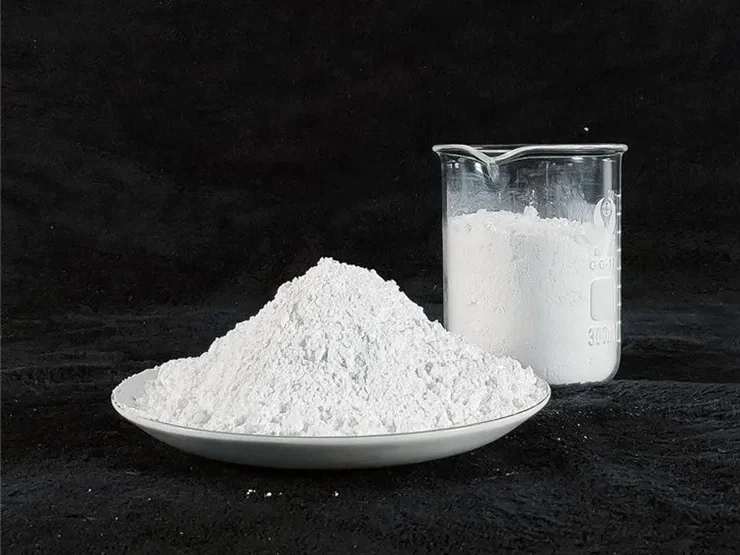
Talc products fall into two main categories: talc blocks (raw ore cut and carved directly) and talc powder (a powder obtained by crushing, grinding, and classifying the ore). The two differ in processing methods and performance characteristics, and their downstream markets show almost no overlap—the former is used in high-temperature-resistant insulating ceramics and refractory materials, while the latter is used in dozens of industries, including plastics, coatings, papermaking, and cosmetics.
Global talc mine production is projected to reach approximately 6.9 million metric tons in 2025, with India (approximately 1.5 million metric tons) and China (approximately 1.3 million metric tons) as the top two producers, followed by Brazil, the United States, and France. The global talc market is valued at approximately $2 billion and is projected to grow to $2.7 billion by 2033, with a compound annual growth rate (CAGR) of about 3.8%. The Asia-Pacific region accounts for more than half of global consumption, with China and India being the largest national markets.
Key Physical and Chemical Properties of Talc
Talc’s layered crystal structure forms flake-like particles after grinding. This layered morphology serves as the physical basis for many industrial applications. The following characteristics determine talc’s industrial value:
Hydrophobic and lipophilic: Not hydrophilic, but effectively adsorbs oils and resins
Chemical inertness: Resistant to acid and alkali corrosion under normal conditions
Thermal Stability: Structurally stable below approximately 900°C; decomposes into pyroxene above this temperature
Low Electrical Conductivity: Extremely low dielectric loss, making it an excellent high-frequency insulating material
Lamellar Structure: Forms a physical barrier in coatings and films, preventing gas and moisture penetration
High Whiteness: High-purity talc can achieve a whiteness of 90 or higher, making it suitable for applications with strict color requirements
Talc Blocks: Solid Pieces of Raw Ore for High-Temperature and Insulation Applications
Talc blocks refer to lump-shaped talc ore that retains its natural dense structure after mining. Without undergoing ultra-fine grinding, they are directly cut, carved, or crushed into the desired shape for use. These products rely on the density, thermal stability, and insulating properties of the solid material to serve several relatively niche yet technically demanding industrial applications.
1. Steatite Ceramics (High-Frequency Insulating Ceramics)
The most important industrial application of talc blocks is the manufacture of steatite ceramics. The manufacturing process involves crushing high-purity steatite blocks, mixing them with 10%–20% clay and a flux (such as barium carbonate), pressing or extruding the mixture into shape, and sintering it at high temperatures of 1250–1400°C. During this process, the steatite decomposes into pyroxene (MgSiO₃), a crystalline phase with excellent dielectric properties.
The tangent of the dielectric loss angle for block steatite ceramics can be as low as 5×10⁻⁴ (RF grade), with a flexural strength of 150–220 MPa. These specifications make it the standard insulating material for the following electronic components:
1. RF and microwave devices: antenna insulators, resonators, waveguide windows
2. Communications infrastructure: 5G base station components
3. Automotive spark plugs and ignition system components
4. Aerospace thermal protection parts and avionics insulation components
5. High-temperature-resistant components such as gas nozzles and burner tips
An assessment report by the U.S. Geological Survey (USGS) notes that sintered talc ceramic parts possess extremely high mechanical strength, flexural strength, impact resistance, and electrical resistivity, making them particularly suitable for the manufacture of high-frequency insulators.
2. Industrial Marking Talc Sticks
Dense talc blocks are cut into strips to make talc sticks (also known as soapstone sticks), which are commonly used marking tools in the welding and foundry industries. The marks left by talc sticks on metal surfaces do not disappear at high temperatures; welders and foundry workers use them to mark cutting lines, weld locations, and casting numbers—the marks remain clearly visible even after the metal has been heated or cooled. This characteristic makes them the standard marking tool in steel processing and metal foundry workshops.
3. Refractory Linings and Insulation Panels
Lower-grade talc blocks with higher iron content (typically gray, green, or brown in color) are cut into panels for use as furnace linings, refractory layers in combustion chambers, and low-voltage electrical insulation panels. These materials have a low coefficient of thermal expansion and excellent heat resistance, providing both thermal and electrical insulation at a relatively low cost.
4. Carving and Art Crafts
Talc blocks with a pure texture and low impurity content are soft and smooth to the touch, allowing them to be carved directly with hand tools. They are a traditional material for crafting decorative ornaments, sculptures, and everyday stone products. Brazil, India, and parts of Africa still have well-established talc carving industries today.
Talc Powder: A Highly Processed Powder Used Across Nearly All Industrial Sectors
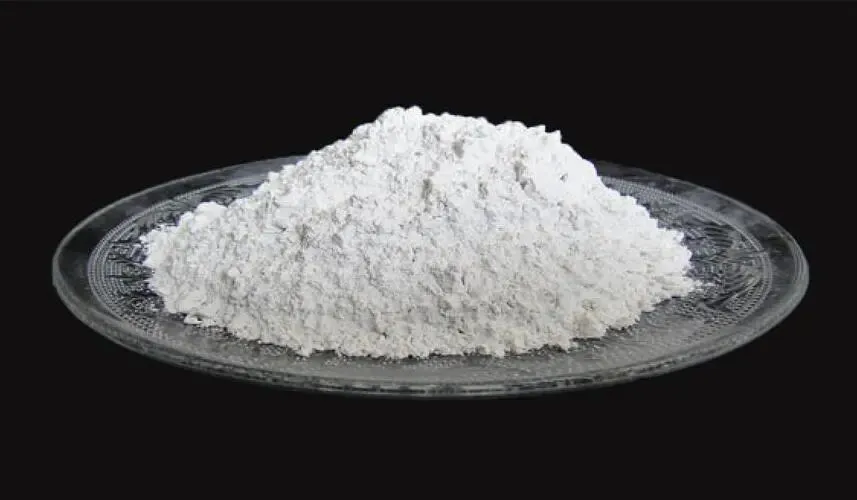
Talc powder is a powdered product obtained from talc ore through crushing, grinding, classification, and purification. Its particle size ranges from 200 mesh (74 micrometers) to 2,500 mesh (5 micrometers), making it suitable for the needs of various industries. Compared to talc blocks, talc powder has a much larger market size and a much broader range of downstream applications.
Regarding the grinding process: The layered structure of talc powder is the source of its functionality. It provides reinforcement in plastics, forming a barrier layer in coatings, and adsorbing resins in papermaking. Excessive grinding or selecting the wrong type of mill can destroy this layered structure, thereby reducing product performance. Vertical roller mills and ring roller mills, combined with internal dynamic classifiers, are commonly used fine-grinding solutions that can achieve the target fineness while preserving the layered morphology.
The following outlines the consumption structure of talc powder in the U.S. and European markets. It should be noted that consumption structures vary significantly across regions. These data reflect the current situation and differ markedly from figures found in some older sources.
U.S. Talc Consumption Structure (2025)
| End Uses | Percentage of U.S. |
| Plastics | 36% |
| Paints | 19% |
| Ceramics (including automotive catalytic converters) | 17% |
| Paper | 12% |
| Roofing Materials | 8% |
| Rubber | 2% |
| Other (agriculture, cosmetics, etc.) | 6% |
Structure of Talc Consumption in Europe (IMA-Europe Data)
| End Use | Share of EU Talc Consumption |
| Polymers/Automotive | 34% |
| Paper | 21% |
| Paints | 18% |
| Building Materials | 7% |
| Animal Feed | 4% |
| Fertilizers | 4% |
| Rubber | 2% |
| Pharmaceuticals | 1% |
| Cosmetics | 1% |
Data Source: EU SCRREEN Talc Industry Overview (based on IMA-Europe 2019 data)
Overview of the Main Applications of Talc
1. Plastics — The World’s Largest End Market

The plastics industry is the largest consumer of talc, accounting for 27%–37% of global consumption. In plastics, talc primarily serves as a functional filler and nucleating agent:
Modification of Automotive Polypropylene: Automakers typically add 15%–25% talc to PP/TPO materials used in bumpers, interior panels, battery housings, and other components. This increases the material’s flexural modulus to over 2,500 MPa, allowing wall thicknesses to be reduced by 15%–20% and reducing vehicle weight by 4–5 kilograms per vehicle.
Nucleating Agent: Talc accelerates crystallization during the injection molding process, shortening the molding cycle by 8%–12% while improving the dimensional stability of the finished product.
Packaging Films: Adding 3%–5% talc masterbatch to PE/PP films provides anti-blocking and slip properties, reducing the coefficient of friction from 0.5 to 0.3.
Imerys, the world’s largest talc producer, will invest 43 million euros in 2025 to build a new plant in Wuhu, China, with an annual production capacity of 30,000 metric tons of ultrafine talc powder, specifically to supply the electric vehicle battery casings and automotive interior components markets.
2. Coatings and Anti-Corrosion Paints

Talc powder is used as a filler pigment in coatings; its layered structure improves the spacing distribution of titanium dioxide, enhances hiding power, and reduces raw material costs—talc powder costs approximately $150–250 per metric ton, far lower than titanium dioxide. Additionally, the layered structure enhances the coating film’s crack resistance, sag resistance, and matting effect.
In anti-corrosion primers, talc’s barrier effect slows the penetration of moisture and oxygen into the substrate surface. China’s GB 30981.1-2025 standard, implemented in June 2026, tightened the VOC limit for interior wall paints to 80 g/L, prompting formulators to shift toward water-based systems; water-based paints require a 30%–40% higher talc loading than solvent-based ones (12%–18% for water-based vs. 8%–12% for solvent-based).
The coatings industry accounts for approximately 18%–19% of talc consumption in both the United States and Europe.
3. Ceramics
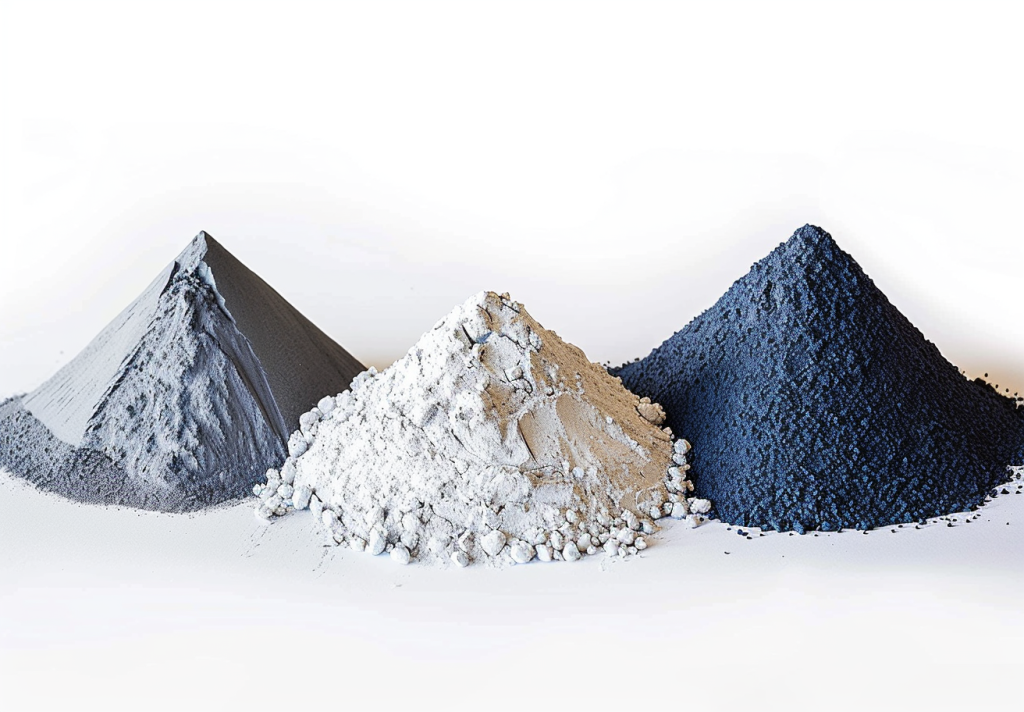
Talc plays multiple roles in ceramics. As a flux in wall and floor tile bodies, talc can reduce firing temperatures by 30–50°C, saving 10%–12% in natural gas consumption. Talc rich in chlorite is used to produce cordierite ceramics, a material with excellent thermal shock resistance that serves as a key raw material for automotive catalytic converter substrates.
Different addition ratios correspond to different applications:
3%–8%: Standard wall and floor tile bodies, to improve thermal shock resistance and reduce wet expansion
30%–40%: Cordierite ceramics, used for kiln furniture and catalytic converter supports
80%–90% (combined with clay and flux): Talc-based ceramic blocks, used for high-frequency electrical insulation (see the “Talc Blocks” section for details)
Note on Data Correction: Some Chinese sources state that “wall and floor tiles contain 40%–80% talc,” but multiple technical references indicate that the talc content in standard wall and floor tiles is only 3%–8%. The 40%–80% range applies only to specialty talc-based tiles, not to standard industry usage.
In the United States, ceramics (including catalytic converters) account for approximately 17% of talc consumption—a significant decline from 32% in 2019, reflecting changes in automotive powertrain technology.
4. Papermaking

Talc serves three functions in papermaking: resin control, filler, and coating pigment.
Resin control: Talc’s hydrophobic surface can adsorb sticky resin particles in pulp, preventing them from depositing on the paper machine felt and calender. Globally, more than 300,000 metric tons of talc are used annually for this purpose.
Filler: Enhances paper brightness, opacity, and printability.
Coating: Improves the printability of gravure and offset papers and reduces surface friction.
However, the use of talc in papermaking has been declining steadily since the 1990s, as chemical resin control agents, precipitated calcium carbonate, and kaolin have gradually replaced it. In Europe, the share of talc used in papermaking has fallen from 12% in 2020 to less than 9% in 2025; in the United States, papermaking accounts for approximately 12% of talc consumption.
5. Cosmetics and Pharmaceuticals

High-purity talc powder with low heavy metal content is used in cosmetics (loose powder, foundation, baby powder) and pharmaceutical excipients (tablet lubricants, topical powders). It should be noted, however, that the actual consumption share in this sector is far lower than the figures cited in some Chinese sources—in Europe, cosmetics and pharmaceuticals each account for only about 1% of talc consumption; in the United States, they are also classified under 6%, far from 15%. Although these sectors account for a small proportion, the extremely high requirements for purity and safety result in significant product premiums.
Data Correction Note: Some Chinese reference materials state that “Europe, the U.S., and Japan account for 15% of talc consumption in the cosmetics and pharmaceutical sectors.” Authoritative data from the U.S. Geological Survey and the European Industrial Minerals Association indicate that the actual figure is approximately 1%–2%. The 15% figure likely stems from a misinterpretation of earlier data and has been corrected in multiple industry reports.
6. Roofing Waterproofing Materials
Coarse-grade talc powder is used as a filler in asphalt shingles, roofing felt, and waterproofing membranes. Talc provides weather resistance, flame retardancy, and prevents asphalt from sticking during the manufacturing process. Roofing materials account for approximately 8% of U.S. talc consumption.
7. Rubber

Talc is used in rubber as a reinforcing filler, anti-adhesive agent (to prevent uncured rubber sheets from sticking together), and release agent. Rubber accounts for approximately 2% of talc consumption in both the United States and Europe.
8. Other Applications
Agriculture: Talc powder serves as a carrier and anti-caking agent in pesticide and fertilizer formulations.
Food Processing: Food-grade talc is used as a processing aid (e.g., to prevent sticking in candy and for polishing rice) and is regulated by the FDA and EFSA.
Cement and Building Materials: White talc is used in the production of white cement and as a filler in lightweight building panels.
Precision Casting: Talc-based coatings prevent sand molds from sticking to metal castings.
Talc Grinding Processes and Equipment
The core objective of talc powder production is to achieve the target fineness while preserving the layered structure of the talc. Once this layered structure is destroyed by excessive grinding, the reinforcing effect of talc powder in plastics, its barrier properties in coatings, and its resin adsorption capacity in papermaking will all be significantly reduced.
Commonly used talc grinding equipment includes:

Vertical roller mill: Utilizes the bed grinding principle with hydraulic pressure. An internal dynamic classifier allows for fineness adjustment from 30 mesh to 2,500 mesh. It offers high energy efficiency for large-scale production.
Raymond mill: Produces powder ranging from 30 to 325 mesh and is widely used for the production of medium- to fine-fineness talc powder.
Ring roller mill: Driven by centrifugal force, it performs ultra-fine grinding with fineness adjustable between 400 and 2,500 mesh.
Trapezoidal Mill: Produces 10-micron-grade powder with a narrow particle size distribution.
A typical talc powder production line process is as follows: coarse crushing by a jaw crusher → medium crushing by a cone or impact crusher → grinding by a roller mill → air classification → collection of the finished product by a cyclone dust collector and bag filter. Non-conforming coarse powder is returned to the mill for regrinding, forming a closed-loop cycle.
Conclusion
Talc blocks and talc powder serve two distinctly different industrial applications. Talc blocks are niche materials used in areas such as talc porcelain, refractory linings, and metal markers, where overall heat resistance and insulation are key. Talc powder, on the other hand, is ground and graded for use in mass markets such as plastics, coatings, ceramics, paper, and roofing materials, where its layered structure provides functional benefits.
One issue worth noting is that the consumption ratio data cited in some Chinese reference materials is severely outdated. Plastics are currently the world’s largest end market for talc; cosmetics and pharmaceuticals actually account for approximately 1%–2% of the market, far less than the 15% cited in some sources. For professionals who need to select talc grades with precision, referring to the latest data from the USGS and IMA-Europe is a more reliable approach.
Epic Powder
Epic Powder, 20+ years of experience in the ultrafine powder industry. Actively promote the future development of ultra-fine powder, focusing on crushing, grinding, classifying and modification process of ultra-fine powder. Contact us for a free consultation and customized solutions! Our expert team is dedicated to providing high-quality products and services to maximize the value of your powder processing.

“Thanks for reading. I hope my article helps. Please leave a comment down below. You may also contact EPIC Powder online customer representative Zelda for any further inquiries.”
— Jason Wang, Engineer